The suspension of high-speed train services between Madrid and Seville has become one of the most discussed topics in Spain. Following the tragic train collision in Adamuz, which claimed dozens of lives, thousands of passengers have been left in limbo. When regular service between the capital and Andalusia will resume remains unanswered. For many residents, this is not just a matter of convenience but also a reflection of the state of the entire transport system.
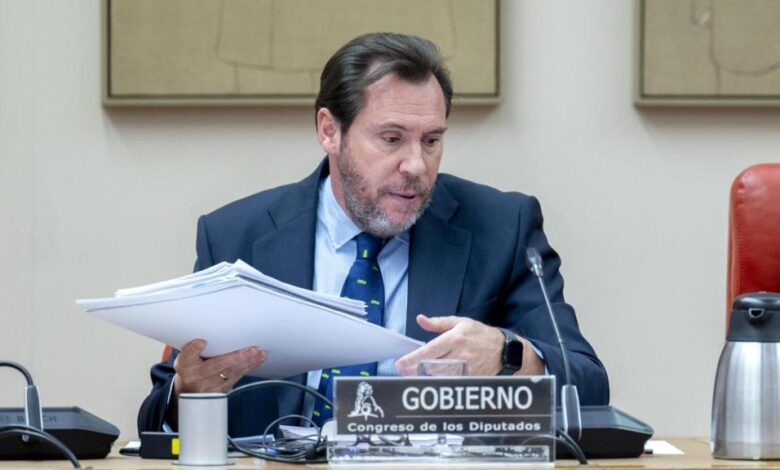
Transport Minister Óscar Puente made a statement in which he was unable to provide an exact date for the resumption of service on the AVE Madrid-Seville line. According to him, challenging weather conditions and the aftermath of the accident require time for recovery. He emphasized that after the disaster, operations were halted immediately and emergency services responded promptly, despite initial media reports of confusion in the first minutes following the incident.
Accusations and Justifications
Puente did not stop at technical explanations. He blamed previous governments, especially those led by the Partido Popular (PP), for leaving the rail network vulnerable. He argued that years of underinvestment have led to accumulating problems that cannot be fixed quickly. The minister pointed out that the current government is working to improve the situation, but the gap between what is needed and the actual state of infrastructure remains too wide.
Puente paid particular attention to the situation in Catalonia, where a Rodalíes commuter train recently derailed in Gelida (Gelida, Barcelona). The minister linked this incident to the extreme weather events caused by climate change. According to him, the soil in the region is so saturated with moisture that it can no longer absorb additional precipitation, which led to the embankment collapse. However, these explanations sparked a sharp response from Catalan politicians.
Catalan conflict
Deputies from Junts and ERC accused the central government of negligence and a lack of attention to the state of the railway infrastructure in Catalonia. In their view, the cause of the accident was not a natural disaster but rather a lack of proper maintenance and repairs. Representatives of regional parties once again demanded that control over Rodalíes be handed over to the Catalan government, as well as the resignation of the transport minister.
During the parliamentary debate, accusations were also leveled at Puente by other parties. A Vox representative recalled the funds allocated by the European Union for rail modernization and accused the minister of inefficient use of these resources. In response, Puente stated that the current government has invested more than one billion euros in Catalan railways, while previous administrations had not purchased a single new train for Rodalíes.
Points of contention
The minister admitted that around 70 sections with various issues have been identified in Catalonia’s commuter train network, 16 of which pose a high risk, while another 30 could trigger landslides or other incidents. According to him, some of the delays and disruptions are linked to large-scale inspections and repairs currently underway on the line.
Puente also sought to reassure the public by stating that the level of safety on Spain’s railways is close to maximum, and that rumors of systemic problems are being spread by government opponents. Nonetheless, tensions surrounding the issue persist, and calls for reforming the management of the rail network are growing louder.
Response and Consequences
Not all political forces have taken a critical stance. Some lawmakers, particularly from EH-Bildu and Sumar, expressed support for the minister, noting that he found himself in a difficult situation. However, most of the discussions have focused on identifying those responsible and debating the future of rail transport in Spain.
In recent years, Spain has already faced major disruptions on its railways. In 2023, a key line in Galicia was temporarily closed due to a landslide, and in 2024, widespread train delays in Valencia sparked a wave of frustration among passengers. Such incidents raise questions about the need for infrastructure modernization and clearer distribution of responsibility between central and regional authorities. Amid a changing climate and increasing pressure on the transport network, these problems may occur more frequently.