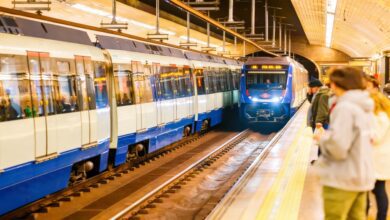
The issue of railway safety in Spain has returned to the spotlight following recent tragic incidents. For millions of Spaniards who use trains daily, this is more than mere statistics — it is a matter of trust in a system that should guarantee passenger safety and well-being. Recent events have raised questions about the state’s ability to ensure this fundamental level of security.
Sharp accusations
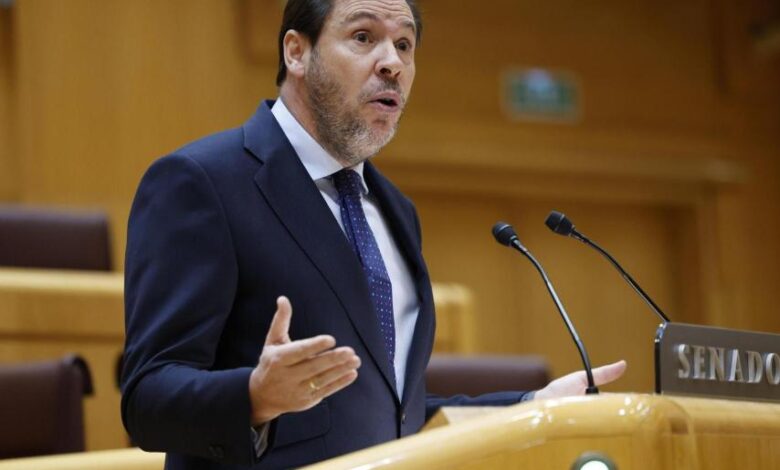
A heated debate erupted in the Senate: Transport Minister Óscar Puente was forced to answer tough questions after the Adamuz (Córdoba) disaster in January, where a train collision claimed 45 lives. Representatives of opposition parties Partido Popular and Vox openly demanded his immediate resignation, accusing him of failing to protect passengers and lacking sufficient oversight of the situation.
Criticism intensified after the minister himself admitted there was a 30-billion-euro shortfall in railway infrastructure investment. He stated that the problem dates back to the government of Mariano Rajoy. However, the opposition rejected these explanations, recalling a series of corruption scandals involving the Ministry of Transport in recent years. They specifically mentioned the arrest of former minister José Luis Ábalos and ongoing investigations concerning other high-ranking officials.
Battle for trust
Puente rejected the accusations, describing them as part of a deliberate disinformation campaign. He stated that reports of faulty track inspection trains and vandalism at railway infrastructure sites were nothing more than an attempt to sow panic and undermine public trust in state institutions. The minister emphasized that such tactics are characteristic of authoritarian regimes and are now being used to advance neo-fascist ideas, which he believes threaten social harmony.
Puente paid particular attention to the role of right-wing political forces and media, which, in his words, spread false information to create a sense of chaos and government dysfunction. He accused them of intentionally fostering an atmosphere of fear to pave the way for authoritarian solutions.
Accountability and investigations
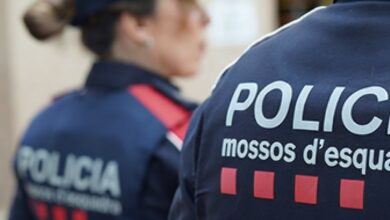
The Senate began its session with a minute of silence in memory of those who died in Adamuz and Gelida (Gelida, Barcelona). That same day, a speech from Prime Minister Pedro Sánchez was expected, but he did not appear, citing a busy schedule. This sparked further discontent among senators, who insisted on his personal participation in addressing the situation on the railways.
Instead, it was announced that Sánchez will address the Congress of Deputies on February 11, where, in addition to transportation issues, he will also touch on topics of international policy and security. Partido Popular leader Alberto Núñez Feijóo announced the creation of a special commission to investigate the causes of both tragedies, which could lead to new revelations and personnel changes.
Political repercussions
The Senate debate highlighted the pressing issue of public trust in the government and its ability to prevent such disasters. For many citizens, these discussions signaled that problems in the transport system require not only technical but also political solutions. In the coming weeks, public attention will be focused on the results of the investigation and on how the government responds to the opposition’s demands.
The situation remains tense, and new details may shift the balance of power in Spanish politics. The question of who will be held accountable for the tragedies is still unresolved.