In Extremadura, the disappearance of Francisca Cadenas—long considered a cold case—is once again in the spotlight. The significance of this event for local residents is clear: new evidence could not only shed light on the woman’s fate, but also affect public trust in law enforcement. After nearly a decade of uncertainty, the discovery of human remains in a neighbor’s private yard marks an unexpected turn in a case long thought hopeless.
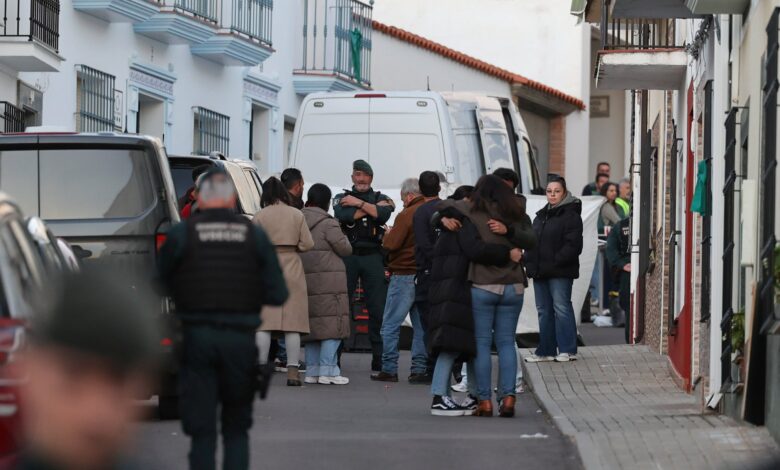
Civil Guard officers have arrested two brothers who lived next to Francisca Cadenas in Hornachos (Badajoz) after the search of their property led to the discovery of bone fragments. According to El Pais, the suspects had already been questioned in the Zafra station in connection with the investigation, but were previously released. Now, after the remains were found, the case has taken a dramatic turn: the brothers are once again at the center of the investigation.
The investigation is ongoing
Currently, forensic experts from the Civil Guard are analyzing the bones to determine their origin. There is no official identification yet, but local residents and the missing woman’s family are anxiously awaiting the results. Tension is running high in Hornachos, as many recall how the disappearance of Francisca Cadenas in 2017 devastated the entire community and sparked intense debates about safety in small towns.
According to El Pais, the brothers lived just a few houses away from where the missing woman resided. They were repeatedly summoned for questioning, but until recently investigators lacked sufficient grounds for their arrest. Now, after the discovery of the remains, the investigation has gained new momentum. Looking back at other high-profile disappearance cases, it can be noted that such incidents often spark public outcry and require special attention from authorities.
Context and implications
The situation in Hornachos echoes other high-profile investigations where unexpected evidence emerged years after a person disappeared. The renewed interest in the Francisca Cadenas case is linked not only to a personal tragedy, but also to concerns about how effectively local law enforcement operates. Recalling recent developments in Seville, where the arrest of a former official and his spouse in a case involving the sale of municipal land generated widespread public reaction, one can see parallels between these cases: both highlight the importance of transparency and public trust in investigative processes. For more on the Seville investigation, see the article on the arrest related to the land sale case.
In Hornachos, residents are discussing not only the arrest itself but also the possible consequences for the entire community. Questions remain unanswered about how long the remains could have been on the neighbors’ property and why they were not discovered earlier. Investigators promise new details soon, and locals hope the truth will finally come to light.
Similar cases in Spain
In recent years, Spain has faced several high-profile cases involving disappearances and the subsequent discovery of remains. For example, in Andalusia, an investigation into a missing woman led to the arrest of several people years after her disappearance. In Catalonia, there have also been cases where new evidence surfaced unexpectedly, changing the course of the investigation. These stories show that even after a long time, investigations can gain new momentum thanks to public attention and the persistence of investigators. In each of these cases, finding new evidence becomes a key moment in uncovering the truth and restoring justice.