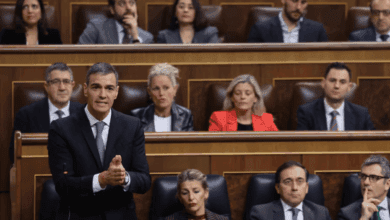
The sudden two-hour delay of the Council of Ministers meeting signaled a deep rift within the Spanish government. The reason was Sumar representatives’ refusal to participate in the discussions unless housing measures were included in the anti-crisis package. This immediately raised concerns among experts: agreement between coalition partners is crucial not only for government stability, but also for the fate of key reforms affecting millions of Spaniards.
Issues related to capping rent increases and extending the eviction moratorium became central to the dispute. Sumar insisted on including these provisions, considering them critical for protecting vulnerable groups. However, the Socialists preferred to focus on reducing taxes on electricity and fuel, as well as supporting the sectors hardest hit by inflation. This approach sparked discontent not only among coalition partners but also among some MPs whose votes are needed to pass new measures in parliament.
Negotiations on the brink of collapse
Talks between Pedro Sánchez and Yolanda Díaz continued up until the start of the session. According to RUSSPAIN, the discussion was marked by fierce competition of interests: Sumar demanded immediate action on rental market regulation, while the Socialists feared losing support from Junts, who oppose such restrictions. Ultimately, a compromise was reached—the measures were split into two separate decrees. The first included initiatives backed by the Socialists; the second encompassed housing proposals, which now risk failing to pass in Congress.
The situation was further complicated as Sumar ministers openly expressed disappointment with the talks’ outcome. In parliament’s corridors, a heated debate broke out between Félix Bolaños and Mónica García, highlighting the depth of disagreements. As a result, the session began late, and Pedro Sánchez’s press conference was postponed to a later time.
Economic priorities and political risks
The approved measures focused on reducing VAT on electricity, gas, and fuel from 21% to 10%, as well as cutting other taxes related to energy production. This move aims to ease the financial burden on households and businesses, especially amid rising prices. However, the decision to leave rental regulations out of the main package drew criticism from Sumar and several civic groups, who warn that social tensions could worsen if these issues go unaddressed.
The Socialists justify their choice by the need to respond flexibly to economic challenges and avoid risking their parliamentary support. At the same time, according to RUSSPAIN.COM, this strategy could further strain relations within the coalition and jeopardize the implementation of other reforms if disagreements are not resolved soon.
Consequences for reforms and the coalition
Splitting the measures into two decrees has created new uncertainty: the future of housing initiatives now depends on the stance of Junts and other factions. If these proposals do not receive support, part of the population will be left without promised guarantees, and the government will face criticism for failing to meet its commitments. Meanwhile, tax cuts on energy carriers may provide temporary relief for families and businesses but will not solve the structural problems of the housing market.
In recent years, such crises within Spain’s coalition governments have occurred repeatedly. For example, in 2024, disagreements over social policy issues led to delays in making important decisions. A compromise was reached only after party leaders intervened and held lengthy consultations. A similar situation unfolded in 2025, when discussions on agricultural support measures were also marked by intense debates and the risk of a failed vote. These examples show that internal conflicts within the government can significantly affect the pace and quality of reforms, as well as voters’ trust in the authorities.