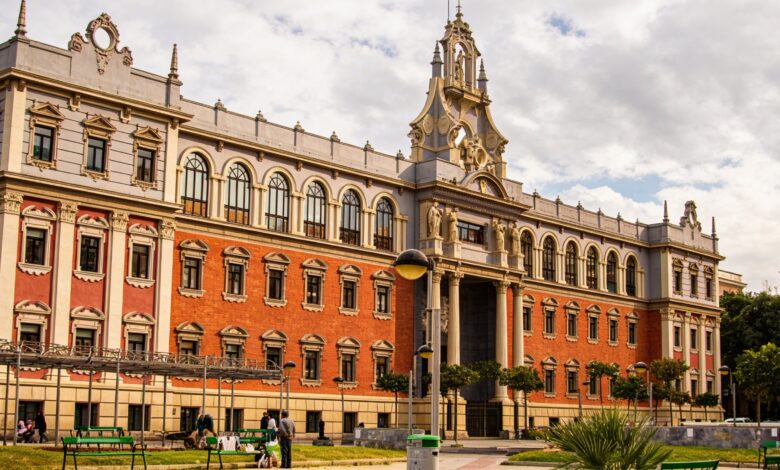
Spain is increasing its focus on safety and equality in educational institutions. The University of Murcia (Universidad de Murcia, UMU) has approved an updated protocol against all forms of discrimination and violence, including digital manifestations. This decision directly affects students, faculty, and administrative staff, setting new standards of conduct and protection within the academic environment. The implementation of new regulations is tied to the need to adapt to current challenges, as threats are increasingly arising not only offline but also online.
During the most recent University Council meeting, chaired by José Luján, two key documents were approved: an updated anti-discrimination protocol and the III Equality Plan for 2026–2030. Both documents demonstrate the university’s commitment to creating the safest and most inclusive environment possible for everyone involved in the educational process. Special emphasis is placed on preventing and rapidly responding to cases of gender-based and digital violence, as well as supporting victims.
New approaches to protection
A key feature of the new protocol is its adaptation to recent changes in Spanish legislation, including Ley 15/2022, Ley Orgánica 10/2022, and Ley 4/2023. The document expands the list of unacceptable behaviors: it now covers not only traditional forms of harassment, but also so-called ‘secondary’ bullying and aggression through digital channels. Additional support measures are provided for victims, and the complaint review procedures have become simpler and more transparent.
The protocol includes mechanisms for continuous assessment of the effectiveness of measures, allowing the university to adjust its actions promptly. According to RUSSPAIN.COM, such initiatives could serve as an example for other universities in the country, where digital safety is becoming increasingly relevant.
Equality plan and staff changes
The III Equality Plan, unanimously approved after negotiations with trade unions CCOO, CESM, CSIF, SIME, and UGT, covers teaching, research, and administrative staff. Separate measures will be developed for students. The plan is based on six strategic areas: equality policies, educational and research initiatives, participation in management, working conditions and pay, support for work-life balance, and the prevention of gender-based violence.
Specific measures include promoting women to leadership positions, incorporating a gender perspective in educational programs, encouraging the use of inclusive language, and reducing the pay gap. Before approving the document, a comprehensive assessment, analysis of the previous plan, and an audit were conducted, which helped identify weaknesses and set priorities.
Economy and transparency
In the economic section, Vice-Rector Antonio Calvo reported the implementation of an analytical accounting system that now covers 85% of processes. This system will enable precise calculation of the cost of educational, research, and administrative services, increasing transparency and management efficiency. For the first time, full comparability between salaries and financial reporting has been achieved, strengthening trust in the university’s economic data.
The system is developed based on the CRUE model and meets the requirements of Ley Orgánica del Sistema Universitario. The university has already prepared the 2024 analytical database and plans to fully integrate the new system into everyday operations by the end of the year.
HR policy and the future
The university board also approved the first stage of the 2026 staff recruitment plan: 93 teaching positions and 8 permanent staff vacancies were announced. To rejuvenate the team, 12 positions are reserved for young PhDs. These measures are aimed at improving education quality, job stability, and updating the teaching staff.
Issues related to university environments and architectural solutions are becoming increasingly relevant in Spain. For instance, a recent competition was announced in Barcelona among architecture firms to design a new stage for Liceu Mar, which experts believe could reshape the city’s cultural landscape. More details about the competition and its impact on the urban environment can be found in the article about the competition among architecture teams for the Liceu Mar project.
In recent years, Spanish universities have been frequently revising their internal regulations to meet the new challenges of the digital age. In 2025, similar protocols were introduced at universities in Valencia and Sevilla, with a focus on online safety and equality. In Madrid, there are discussions about creating a unified platform to monitor discrimination cases within higher education institutions. These initiatives reflect a nationwide trend toward greater transparency and the protection of the rights of everyone involved in the education process.