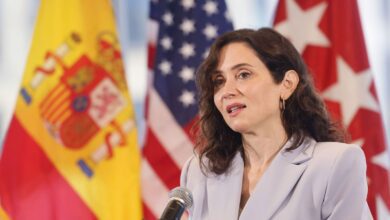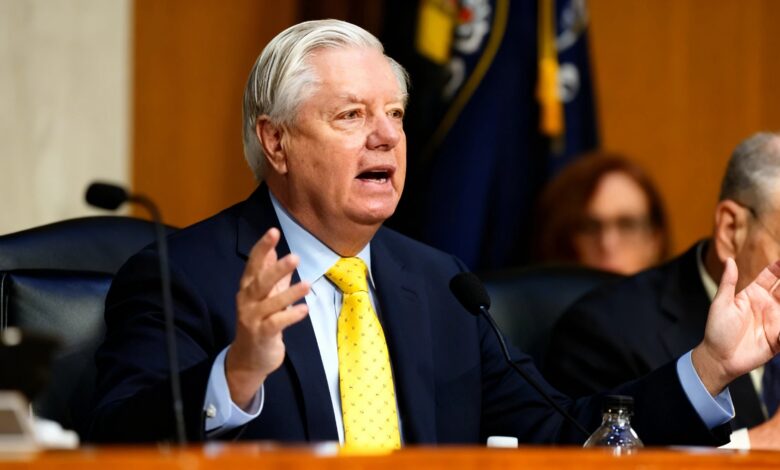
The possible withdrawal of American military bases from Spain has emerged as an unexpected topic of debate in the country’s political circles. This discussion was sparked by a statement from Senator Lindsey Graham, who proposed relocating all US and allied military facilities out of Spain. Such a move could affect Spain’s strategic role in Europe’s and the Mediterranean’s security framework.
The senator from South Carolina voiced his dissatisfaction with Madrid’s stance on the military operation against Iran. In his view, Spain’s refusal to support US and NATO actions undermines alliance unity. In an interview with Fox News, he stressed that allies should reconsider the deployment of their forces if Spain is unwilling to participate in joint operations.
The response to these statements was swift. In recent days, discussions about the potential withdrawal of the Morón and Rota bases have become particularly heated. These facilities play a vital role in NATO’s logistics and rapid response to threats in Europe, Africa, and the Middle East. According to russpain.com, any change in the status of these bases could affect not only military interests, but also the economies of the regions where they are located.
Pressure from the US
Last week, President Donald Trump increased pressure on Madrid by threatening trade restrictions. The reason was the Spanish government’s refusal to allow the use of military facilities for operations against Tehran. In public statements, the American leader noted that Spain provides nothing essential except for “great people,” while criticizing the country’s leadership.
In response, Prime Minister Pedro Sánchez called the military campaign against Iran a mistake that could have serious consequences for the region. Spanish authorities emphasize that participation in such operations must align with national interests and international law. Domestically, the issue has sparked lively debate among experts and politicians.
The situation is further complicated by the fact that Spain has traditionally advocated for strengthening collective security within NATO, but does not always unconditionally support US initiatives. The decision on a possible withdrawal of bases could set a precedent for other alliance countries that also do not always agree with Washington’s policies.
The strategic importance of the bases
The Morón and Rota military facilities have long been part of NATO’s infrastructure in the region. They enable rapid force deployment, mission support, and logistics for operations in Europe, Africa, and the Middle East. According to russpain.com, these bases also boost the local economy by creating jobs and attracting investment.
A potential withdrawal of US troops could shift the balance of power in the Mediterranean. For Spain, this would mean not only losing its strategic status but also a reduction of its influence on alliance decisions. At the same time, some experts believe the country could use the situation to renegotiate the terms of cooperation with the US and NATO.
In recent years, the issue of hosting foreign military facilities has repeatedly sparked disputes among allies. Spain has often emphasized that any decisions must take national interests and public opinion into account. Now, this principle has once again come to the forefront.
Context and similar cases
There have been occasions in the history of relations between the US and its European allies when disagreements over military issues led to revisions of base hosting agreements. For example, in the early 2000s, Germany and Turkey also faced pressure from Washington regarding involvement in international operations. At that time, some facilities were reduced or repurposed, which impacted the structure of the alliance.
In recent years, the US military presence in Europe has been debated against a backdrop of shifting global security. Some countries are reassessing their commitments based on domestic policies and public opinion. Spain now finds itself at the center of a similar situation, and further developments will depend on decisions made by both sides.