The US decision to deny a visa to a 14-year-old Iranian student who was set to represent Madrid at a UN educational project in New York has come as an unexpected blow to Spain’s education system. This case has affected not only the participant, but the entire team preparing for the international final. For Spain, such restrictions mean lost opportunities for talented children and call into question equal access to international programs.
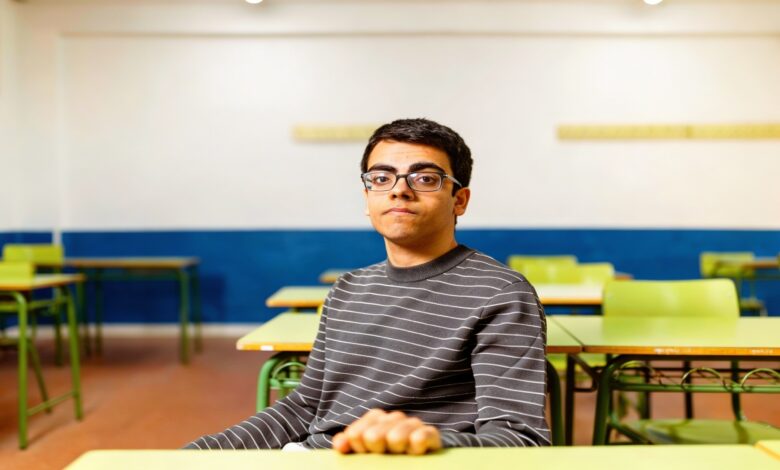
As reported by El Pais, Kiyan, a student at the Severo Ochoa Institute (Alcobendas), underwent a rigorous selection process among more than 1,600 peers and was chosen to participate in the prestigious Global Classrooms program. He is fluent in four languages and excels in all subjects. However, his efforts proved futile: the US authorities denied him entry, citing ‘protection from foreign terrorists’ and provisions of section 212(f) of the US Immigration and Nationality Act.
The family’s visit to the US embassy in Madrid lasted only a few minutes. According to his mother, despite presenting documents from the school and regional authorities, the decision was made instantly without reviewing the paperwork. They were told directly that with a different passport he could travel, but not with an Iranian one. This came as a real shock for the family, as Kiyan has already lived in Spain for seven years but still has to wait three more years to obtain a Spanish passport.
Restrictions for Iranians
Unlike Spanish school students, who can take advantage of a simplified process for entering the US thanks to agreements between the countries, Iranian citizens face strict visa barriers. These rules were tightened back in 2017 and remain in force, especially amid ongoing tensions between Washington and Tehran. Even the recent temporary truce between the two countries, reported in the article on the agreement of a two-week truce between the US and Iran, has not affected visa policies.
As a result, Kiyan became the only participant from Madrid who was denied the trip. No one else took his place—the team went to New York without him. Teachers and classmates have expressed their disappointment: for many, this has become a clear example of how politics can undermine young people’s achievements and dreams.
The school and family’s response
At the Severo Ochoa Institute, staff say they are proud of Kiyan and at the same time upset about the situation. Teachers highlight his exceptional abilities and interest in international relations. According to them, cases like this undermine faith in fairness and equal opportunity for all students, regardless of their country of birth.
Kiyan’s mother recalls that her son took the rejection hard: he hardly spoke to the family for an entire week after the embassy visit. For a family that had already faced bureaucratic hurdles in having their diplomas recognized and adapting to life in Spain, this incident served as yet another reminder of the challenges migrants face. The question of why the children of high-ranking Iranian officials can live freely in the US while an ordinary school student cannot remains unanswered.
Impact on educational projects
Kiyan’s case sparked discussion among teachers and international education experts. According to El Pais, Madrid’s regional authorities tried to offer support, but were unable to change the American decision. Teachers admit that such incidents put Spanish schools’ participation in global initiatives at risk and may lower student motivation to take part in international competitions.
In recent years, tougher visa rules for citizens of several countries have repeatedly led to scandals at international olympiads and conferences. For example, in 2024, several participants from Middle Eastern countries could not attend a science forum in the US for similar reasons. Such cases raise questions about the need to reform international educational programs and to look for alternative formats so all talented students can participate.