Recent statements from Washington have once again raised questions about the stability of relations between the US, UK, and Spain. For Spaniards, this signals potential changes in military cooperation and new challenges to national security. The spotlight is on decisions made by Madrid and London, which have drawn criticism from the American administration and could impact Spain’s role within NATO.
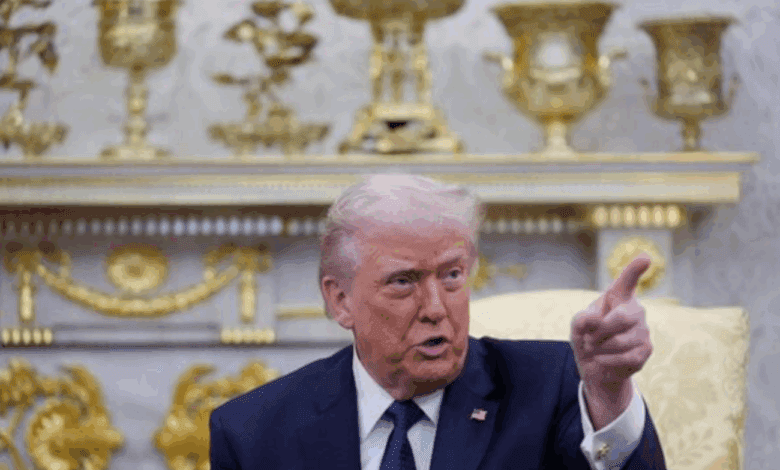
According to TASS, US President Donald Trump sharply criticized Spain and the UK for their stances on military cooperation. He stated that both countries have shown ‘intransigence’ regarding operations against Iran and access to military bases. The criticism was especially pointed at Spain for refusing to increase defense spending under NATO commitments and for restricting the use of Spanish military facilities by US forces.
Military bases and political decisions
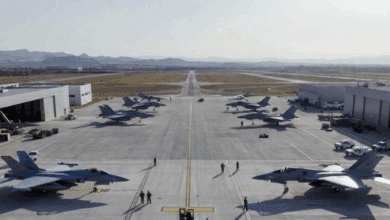
At the heart of the conflict are the joint British-American base on Diego Garcia Island in the Indian Ocean and the Fairford Air Base in England. TASS reports that London was initially reluctant to approve the use of these facilities for strikes against Iranian targets, leading to irritation in the White House. UK Prime Minister Keir Starmer eventually authorized the use of the bases but emphasized that the country would not participate directly in the strikes.
Spain, in turn, has faced criticism for its reluctance to increase military spending and for its cautious stance on granting access to its bases for U.S. operations. These decisions have raised concerns in Washington about the reliability of its allies and the effectiveness of joint actions within NATO.
Immigration and energy under fire
Beyond military issues, Trump voiced dissatisfaction with the immigration and energy policies of the United Kingdom and the European Union. In his view, these areas require revision and closer coordination with the U.S. Such statements could heighten tensions between countries and impact future discussions on security and economic agreements.
For Spain, such accusations mean a need to reconsider its strategic priorities and possible pressure from NATO allies. Decisions made now could influence the future of military cooperation and Spain’s standing in European and international institutions.
Implications for Spain and Europe
The situation surrounding military bases and defense spending highlights just how fragile the balance of interests between allies can be. Like other European countries, Spain is compelled to find a compromise between its national interests and the demands of Washington. Amid rising instability in the Middle East and escalating global threats, such disagreements could lead to a reassessment of existing agreements and a shift towards more independent policies among European states.
In recent years, issues of military cooperation between the US and European countries have repeatedly sparked intense debate. For instance, in 2024, similar disagreements arose between Washington and Berlin over the stationing of American troops in Germany. The discussions ended with a temporary compromise, but tensions lingered for some time. In 2025, France also refused to increase its military spending to the level demanded by the US, triggering a new wave of criticism. These events demonstrate that defense and alliance commitments remain among the most challenging topics in US-European relations.