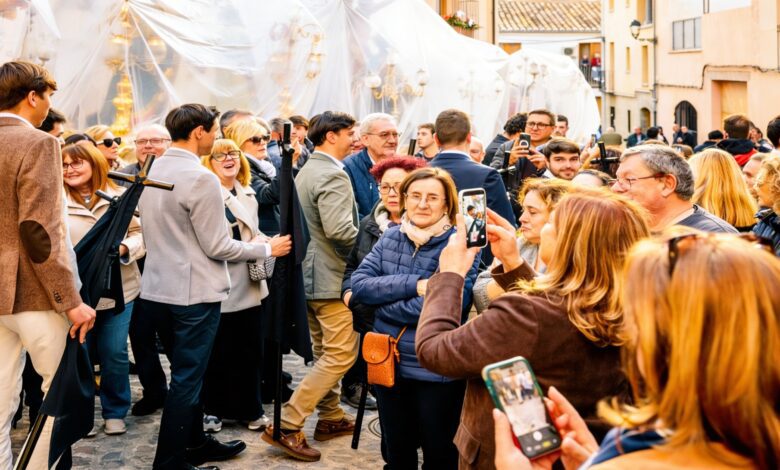
A heated conflict has erupted in Sagunto (Sagunto) over women’s participation in Semana Santa, which is already affecting the status of one of the region’s most renowned festivals. The Valencia archdiocese’s decision not to intervene in the statutes of the local religious association has sparked widespread debate among residents and authorities. For Spain, this controversy is not only about tradition but also a test of society’s readiness for change towards equality and inclusivity.
As El Pais reports, the Archbishop of Valencia, Enrique Benavent, does not plan to issue directives forcing the Semana Santa brotherhood to change its rules. The archdiocese believes that any changes should come from the association’s own members rather than being imposed from above. This approach aims to maintain dialogue and avoid pressure, a strategy that has already been tested in other regions of the country. At the same time, church representatives emphasize the importance of unity and faith during Semana Santa celebrations.
Authorities’ response
The archdiocese’s stance coincided with the moment when Sagunto’s mayor, socialist Darío Moreno, spoke publicly for the first time after the recent brotherhood vote. He stressed that women should not be excluded from any sphere solely because of their gender and called for courage in decision-making. According to him, tradition and equality do not contradict each other; on the contrary, they can ensure a strong future for the city and its festivities.
The mayor also noted that he has always respected the autonomy of religious organizations, but the current situation has reached such proportions that it can no longer be ignored. Residents are demanding a clear position from the municipality, and the administration reaffirms its commitment to the principles of equality and non-discrimination. Authorities emphasize that their stance is not aimed against traditions or religious values, but merely reflects the modern demands of society.
Possible consequences
The intervention of the Ministry of Industry and Tourism of Spain has added a new level of tension to the situation. The department has initiated a review of Semana Santa’s status as a national tourist interest event, since not all residents can participate on equal terms. In addition, the ministry is examining the statutes of the Puríssima Sang del Nostre Senyor Jesucrit brotherhood for possible violations of the equality law.
Authorities in Sagunto emphasize that any changes should take place without pressure or retaliation, and that the main actors must remain the members of the brotherhood themselves, especially women whose rights are affected. City Hall will continue to support the celebration of Semana Santa in 2026, guided by the opinions of those advocating for inclusivity. Special attention is being paid to the Mayoralía 2026 group, which has faced public discontent despite not participating in the controversial vote.
Dialogue and traditions
City authorities are calling for dialogue and compromise to preserve the cultural and tourist importance of Semana Santa for Sagunto. According to the administration, only open discussion and respect for the law will allow the brotherhood to adapt to new realities without losing the historical value of the holiday. It is important that changes come from the participants themselves, rather than being imposed from outside.
The issue of allowing women to participate in Semana Santa has sparked debate in Sagunto for several years. As russpain.com analysis shows, similar conflicts in Spain often lead to a reassessment of the status of traditional festivals and discussions about the role of women in religious communities. In 2022, the archdiocese had already taken a similar stance, emphasizing the autonomy of brotherhoods and their right to independently set their own rules. In other regions of the country, such changes have taken place gradually, without abrupt decisions or church pressure.
In recent years, cases have increased in Spain where traditional religious celebrations face demands for equality and inclusivity. For example, similar issues have been discussed in Andalusia and Castile, and in some cities, amendments have already been made to brotherhood charters. In Sagunto, the situation remains tense, and how events unfold could set an example for other regions. Read more about the causes and consequences of such conflicts in the feature about the ban on women in the city’s oldest Catholic tradition at the link on russpain.com.
Semana Santa in Spain is not only a religious event but also an important part of the country’s cultural heritage that attracts thousands of tourists. Issues of equality and access to participation in such festivities are becoming increasingly relevant as society changes. The decisions made in Sagunto could influence how traditions are approached in other regions of the country, where similar debates are just beginning to gain momentum.