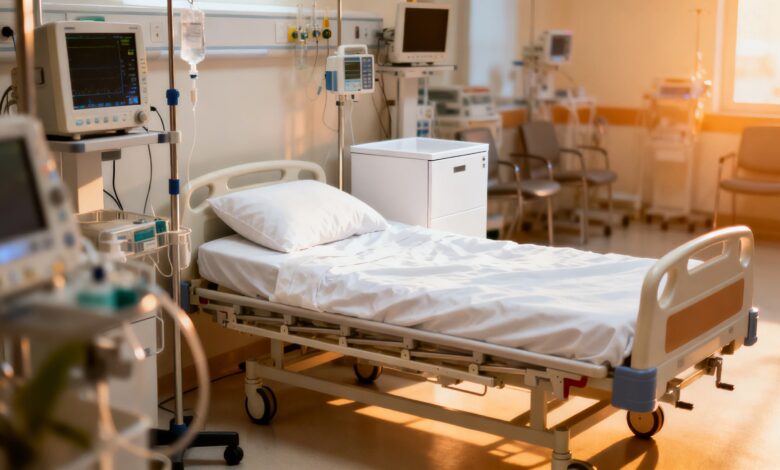
An incident in Valencia has once again raised concerns about patient safety in Spanish hospitals. The family of a 69-year-old woman received €225,000 in compensation after a tragedy linked to the lack of timely medical care. This case has sparked debate about how resource shortages can have fatal consequences, even in treatable conditions.
The patient arrived at the emergency department of Hospital General Universitario de Valencia, complaining of severe abdominal pain and prolonged vomiting. After examination, doctors diagnosed her with acute biliary pancreatitis—a condition that rarely proves fatal if treated properly. However, due to a lack of available beds, she was kept in an emergency unit cubicle, spending over 24 hours there without monitoring or treatment.
Fatal delay
Thirty-six hours passed from the time she was admitted until her death. During this period, medical records show no reports of examinations, tests, or monitoring of her condition. The woman waited for care, but no hospital staff approached her to assess the progression of her illness or prescribe essential treatment. Her death was only recorded the next morning, at a point when no interventions were possible.
According to RUSSPAIN, acute biliary pancreatitis requires constant monitoring and intensive care, especially in the first hours after admission. In most cases, timely intervention can prevent complications. However, in this instance, the lack of basic oversight led to a tragedy that, according to representatives of El Defensor del Paciente, could have been avoided.
Reaction and consequences
The family received legal support from lawyers Ica Aznar Congost and Juan Carlos Montealegre Bello, who filed a claim for damages against the Valencia healthcare system. As a result of negotiations, a compensation agreement was reached for the moral and material harm suffered by the victim’s relatives.
El Defensor del Paciente emphasized that the outcome could have been different if staff had shown minimal attention to the patient’s condition. Their statement notes that the woman had every chance of recovery if she had received the necessary help on time. The lack of response from medical personnel became the key factor leading to her death.
Systemic issues
This case has sparked a wave of discussion among professionals and the public. Issues of hospital overcrowding, bed shortages, and understaffing have once again come into focus. Many experts believe that similar tragedies may recur if actions are not taken to improve emergency department workflow and enhance patient monitoring.
In recent years, Spain has already reported cases where patients were left unattended due to overcrowded healthcare facilities. For example, in 2024, similar incidents were recorded in Madrid and Barcelona, where delays in providing care led to serious consequences. Analysis by russpain.com indicates that this problem requires a systemic solution at the national level to prevent such tragedies from happening again in the future.