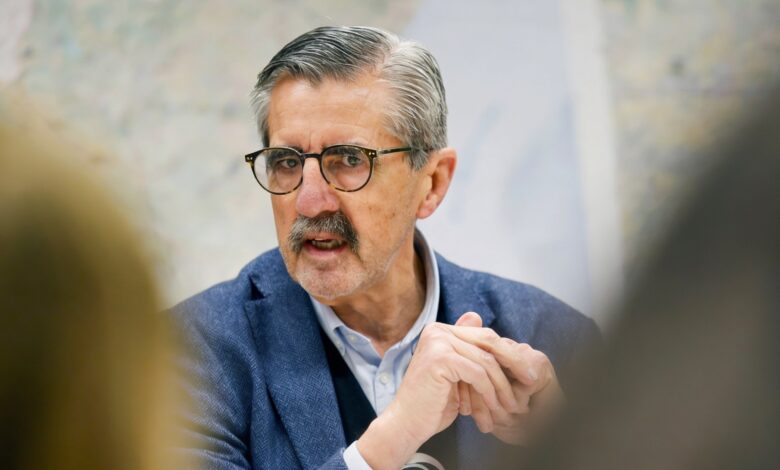
The court ruling in Valencia over the alleged diploma forgery by a former civil servant has sent an important signal throughout Spain’s public administration. The reopening of the investigation into possible document falsification could change how official qualifications are verified and impact trust in government appointments. For many Spaniards, this case is a reminder of the need for transparency and accountability in public institutions.
Investigation resumes
The Valencia judicial panel has decided to overturn the previous order to close the case against former DANA commissioner José María Ángel. According to El Pais, the court upheld complaints from Manos Limpias, Diputación de Valencia, and partially from the prosecutor’s office, which resulted in the reopening of the case and a return to the investigation stage. This comes six months after proceedings were originally dropped due to the statute of limitations.
Previously, the judge of the Fourth Investigative Court of Valencia had dismissed appeals against closing the case, considering that the alleged offense—document forgery—was committed back in 1983 and the statute of limitations had expired. Moreover, the judge found no evidence of fraud in the actions of the former official, who resigned in the summer of 2025 following the scandal over his diploma. Shortly after, Ángel attempted suicide, causing further public outcry.
Court’s arguments
In its new ruling, the Valencia court did not address whether the alleged offense was ongoing. Instead, the focus was on the fact that Ángel had repeatedly applied to extend his public service in recent years, including in 2023 and 2024. According to the court, each time an extension is requested, the official must confirm their qualifications, including submitting the documents that previously allowed them to hold the position.
The court noted that had Ángel failed to present the required diploma, his request for renewal would have been denied. Therefore, it is possible he used the disputed document again to prove his eligibility for service. This circumstance means the statute of limitations may not necessarily begin only from the initial submission of the diploma in the 1980s.
Implications for civil service
The decision to send the case back for investigation could set a precedent for similar cases in Spain. Questions about the authenticity of documents and officials’ qualifications are increasingly relevant amid stricter oversight of public appointments. As El Pais notes, the court’s ruling may shape future handling of such cases and strengthen document verification requirements when extending public service.
In light of recent developments in Spanish politics involving personnel changes and investigations, the focus on issues of transparency and legality is growing stronger. For example, the latest changes in the government lineup and debates around official accountability have already been covered by RUSSPAIN, which analyzed the impact of new appointments on the country’s power balance. Learn more about how staffing decisions affect political stability in the article on changes in the Ministry of Finance and the Deputy Prime Minister’s office.
Background and similar cases
In recent years, Spain has repeatedly faced scandals involving forged documents among public officials. In 2024, Madrid discussed a case of falsified diplomas within municipal structures, leading to a review of several appointments. Previously, courts in Valencia supported stricter controls over licenses and employee qualifications across sectors such as education and healthcare. These developments highlight the growing importance of transparency and trust in state administration, as well as the need for regular document checks when renewing officials’ mandates.