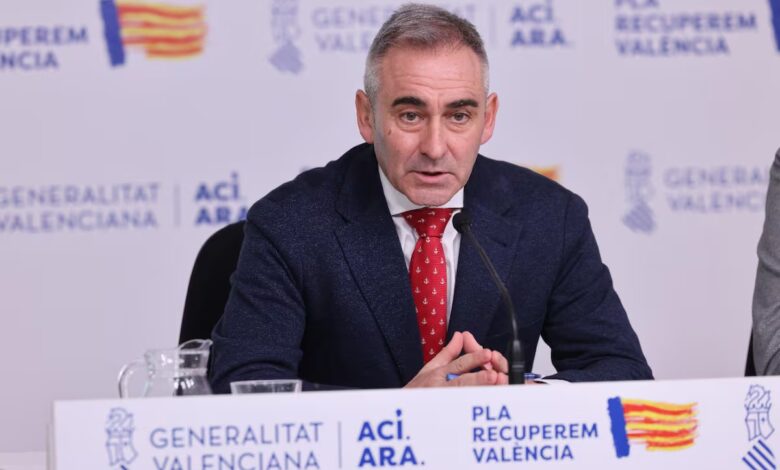
The Valencia government’s decision to expand personal income tax deductions came as an unexpected move for many locals. Now, more families and individual taxpayers will be able to claim substantial benefits for expenses related to medical services, sports, and the treatment of rare diseases. This change directly impacts the wallets of thousands of people, as well as economic activity in the region.
Under the new rules, the income threshold for individual returns eligible for deductions has been raised from €30,000 to €60,000, and for joint returns from €48,000 to €78,000. This means that significantly more residents can get a refund on part of the money spent on dental and eye care, gym memberships, and treatments for conditions such as Alzheimer’s or rare diseases. The changes apply to expenses incurred from January 1, 2025, and will have retroactive effect.
Financial impact
Authorities assure that expanding deductions will not reduce budget revenues. According to official representatives, despite the decrease in tax burden, state income continues to grow. As an example, they cite an increase in the number of taxpayers and a rise in transactions related to property transfers and donations. In recent years, government data shows the number of donor operations has climbed by almost 50% since the introduction of tax breaks.
A key argument in favor of the reform was the employment trend: in 2025, the region created around 100,000 new jobs. This helped broaden the tax base and offset lower rates. Authorities emphasize that the more people work and pay taxes, the higher the overall revenue, even with reduced individual tax rates.
Political disagreements
However, the issue was not without controversy. Opposition representatives point out contradictions in the government’s actions, especially regarding tax exemptions for various types of aid. In particular, there is ongoing debate about so-called ‘aid packages’ following natural disasters, where decisions on tax breaks were made within comprehensive legislative packages, causing dissatisfaction among some lawmakers.
Critics argue that this practice undermines transparency and complicates decision-making, since a single document may combine completely different measures—from pension increases to emergency aid tax relief. Authorities, meanwhile, insist on the need to separate such initiatives and demand a more consistent approach from the central government when drafting legislation.
Protecting farmers
Another hot topic is the protection of local agricultural producers’ interests. The trade and agriculture ministries of Valencia have sent a joint request to Madrid, demanding activation of safeguard mechanisms under the international agreement with South Africa. The reason is a sharp decline in citrus exports from Castellón province amid a surge of foreign produce.
Officials insist that the government should immediately employ the measures provided for in the agreement to protect local farmers. In a letter to the ministry, it is emphasized that without decisive action from Madrid and Brussels, the situation could worsen as early as next season, which begins in October. Authorities demand constant monitoring and immediate response to violations of international agreements.
Economic outlook
Overall, the expansion of tax deductions and active protection of local producers’ interests reflect the regional government’s new strategy. The focus is on stimulating domestic demand, supporting families and businesses, and maintaining the competitiveness of Valencia’s products in foreign markets. These measures are expected to further boost employment and increase tax revenues, despite lower individual rates.
At the same time, political disagreements and pressure from the opposition may lead to renewed debates about the transparency and effectiveness of the decisions being made. The question of whether it will be possible to maintain a balance between supporting the population and budget stability remains open.