Valencia, one of Spain’s largest cities, has found itself at the heart of a prolonged political conflict that could leave it without a modern system to control harmful emissions. Despite national legal requirements, by the end of 2025, the city has still failed to approve regulations that would restrict the movement of the most polluting vehicles.
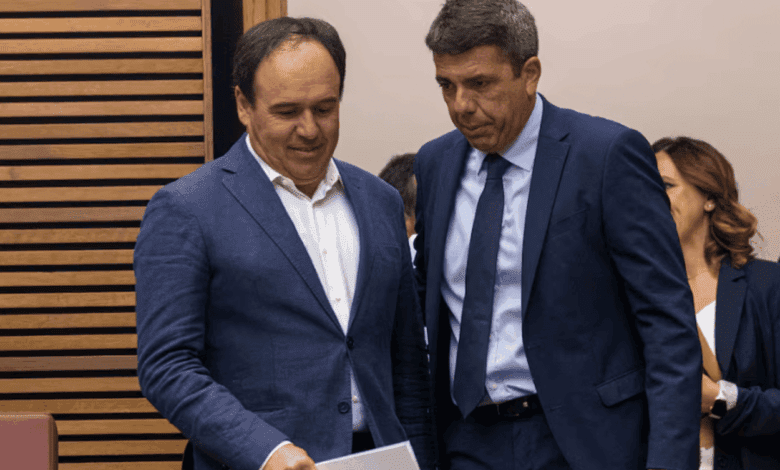
Initially, authorities proposed a relatively mild version of the new zone, which would not affect older vehicles until 2028. However, this plan failed to satisfy either the opposition or part of the coalition. In October 2025, the Vox party unexpectedly reversed its stance and refused to support the measure, even though it had previously approved it during discussions. This decision put not only environmental initiatives but also funding at risk: the city stands to lose more than 100 million euros earmarked for transport development and mobility support.
Political infighting and public frustration
After the failed vote, members of the ruling party tried to negotiate a compromise with the opposition, but without success. The new draft proposed faster implementation of restrictions and an expanded zone, yet still failed to gain support. Opposition groups argue that the proposed measures are too weak and will not significantly improve air quality.
As a result, the city is left in limbo. While other major Spanish cities are already introducing strict environmental standards, Valencia is still caught up in debates over the details. Residents of neighborhoods that might fall outside the zone fear their streets will become makeshift parking lots for cars trying to avoid the new rules.
Economic and social consequences
The lack of political consensus threatens not only to worsen the environmental situation, but also to cost the city significant government subsidies. Without an approved low emission zone, Valencia risks losing funding for the development of public transport and sustainable mobility infrastructure.
Community organizations and residents are calling on the authorities to take decisive action. They insist the city needs real change to reduce pollution and improve quality of life. However, ongoing political disagreements continue to block critical decisions, and time is running out.