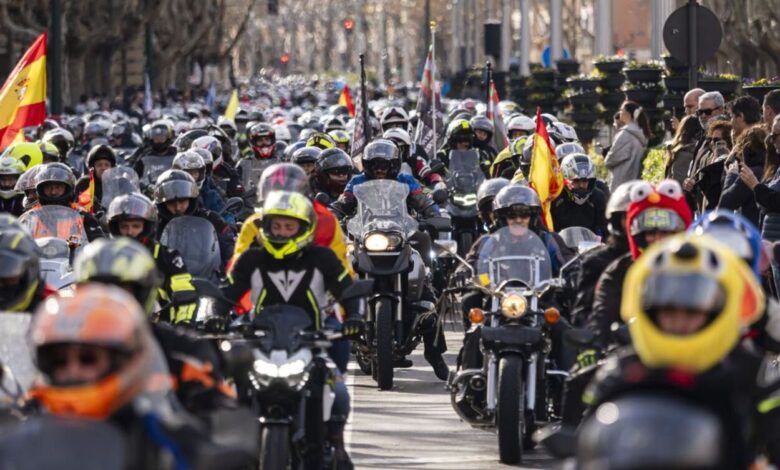
For several days, Valladolid will become a true paradise for motorcyclists as city officials have decided to temporarily suspend the low-emissions zone (ZBE) for the annual Pingüinos rally. This event has long been a hallmark of the city, attracting tens of thousands of participants not only from across Spain, but also from other European countries. Last year alone, more than 38,000 people attended, giving the local economy a five-million-euro boost. This time, organizers and city officials chose not to take chances—they’re betting on tourism, even if it means putting environmental concerns on hold for now.
From January 8 to 11, 2026, all traffic restrictions in Valladolid’s city center will be lifted. This applies to motorcycles as well as any other vehicles, regardless of their emission classification. Fines for violating the ZBE will be completely suspended during these days. Starting Monday, January 12, the regular rules will return and cameras will once again register offenders.
Economy versus environment
This temporary suspension of restrictions has sparked heated debate. On one hand, the city has long fought for cleaner air and lower emissions, with the ZBE symbolizing those efforts. On the other, Pingüinos brings huge revenue to Valladolid and revitalizes business during the slowest season. Officials admit that without these concessions, thousands of motorcyclists simply wouldn’t come, resulting in significant losses for hotels, restaurants, shops, and other service businesses.
The event organizers, the Turismoto club, emphasize that preparing for the gathering is a monumental task involving up to 300 people at peak times. While the club does not hire staff directly, it works with dozens of companies responsible for setup, catering, logistics, and security. According to their estimates, preparation alone takes up to 70 full working days each year.
The city is anticipating the event
Most activities take place on the grounds of a former military stable, now renamed Pingüinos Arena, where a massive tent camp is set up. However, many participants prefer to stay in the city’s hotels, especially those traveling from afar. The highlight of the celebration is the traditional flag parade, which takes place along the central Acera de Recoletos street, located right within the ZBE area. It was precisely for this parade and the influx of visitors that local authorities decided to temporarily lift the restrictions.
Interestingly, most of the motorcycles ridden by participants are far from new. Many do not meet current environmental standards and lack the required stickers for entry into the city center. Yet for true fans of vintage bikes, this only adds to the excitement: it’s a rare chance to ride through the city without risking a fine.
Tourism and Compromises
The Valladolid authorities insist that the temporary suspension of the LEZ will not cause significant environmental harm. According to them, four days is too short a period to noticeably affect air quality. Moreover, a free shuttle service from Plaza de Poniente to Pingüinos Arena has been organized for visitors to reduce road congestion and limit the number of private cars in the city center.
However, not everyone is happy with this compromise. Environmentalists fear that such exceptions could set a dangerous precedent. If the rules can be suspended for one event, what’s to stop it from happening again for another reason? Still, for now, the economic impact outweighs these concerns: in 2025, Pingüinos attracted bikers from all regions of Spain, as well as from Germany and France. For four days, the city becomes the capital of motorcycle tourism—and that’s hard to ignore.
The future of the rally
The organizers are already thinking about what’s next. With electric motorcycles growing in popularity, they’re planning new activities specifically for owners of these vehicles. For now, though, most participants remain loyal to tradition: roaring classic bikes, which create the rally’s unique atmosphere.
Pingüinos has been held since 1982 and long ago became an event of regional tourist importance. Every year it proves: for the sake of a major celebration, the city is willing to bend the rules, even if that means temporarily compromising on environmental goals. Once again, Valladolid is choosing tourism and the economy—and it seems most locals support this decision.
However, the issue of balancing revenue with environmental concerns remains unresolved. This time, the choice has been made in favor of tourists and businesses. What happens next—only time will tell.