In Spain, talk of a possible early election has resurfaced, causing concern among both citizens and politicians. The question of whether the parliamentary elections will coincide with the regional vote in Andalucía has become a subject of heated debate. Such rumors can impact political stability and party strategies, as well as voter expectations, as people count on a predictable and transparent electoral process.
Montero’s Position
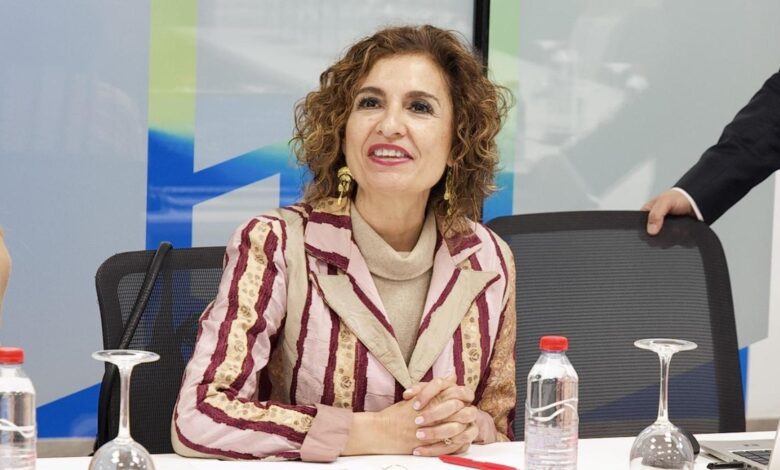
María Jesús Montero, currently serving as First Deputy Prime Minister, has firmly denied any suggestions of preparing for a so-called ‘super Sunday,’ where national and Andalusian elections would be held simultaneously. According to her, the government is not considering early elections, and the date for the general election remains set for June 2027. Montero stressed that Prime Minister Pedro Sánchez’s position on the matter has not changed, despite recurring discussions in political circles and the media.
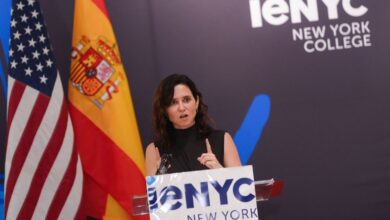
During her speech in Palos de la Frontera, Montero once again made it clear that rumors about the possible merging of elections are unfounded. She noted that such speculation surfaces regularly, but the official stance remains unchanged: no alterations to the electoral calendar are planned. This statement came as Montero prepares to run in the Andalusian elections as the PSOE candidate.
Debate Over the Mandate
Another topic that drew considerable interest was the timing of Montero’s departure from the Congress of Deputies. Following an article in ABC newspaper discussing the possibility that she might retain her seat until the official announcement of the regional election results, a new wave of public debate emerged. Montero, however, dismissed its importance, stressing that her priority is her work and her commitment to a progressive government in Andalucía. She pointed out that such practices are not uncommon in Spanish politics and sees no reason for concern.
In political circles, it is often noted that holding onto one’s mandate until taking office in the regional parliament is standard practice. However, given PSOE’s recent setbacks in other regional elections, this issue has drawn increased attention. Speaking in Huelva, Montero indicated that she does not consider this a significant matter and is focused on the upcoming election campaign.
Reaction and consequences
The situation surrounding the possible ‘superdomingo’ and debates over Montero’s mandate illustrates a broader trend in Spanish politics, where rumors and speculation increasingly shape electoral battles. According to RUSSPAIN.COM, such scenarios have been discussed before, and each time officials are forced to issue clarifications to prevent destabilization. The surge of interest in this topic stems from the fact that any changes to the electoral calendar can influence party strategies and public expectations.
Reflecting on the experience of other regions, it is worth noting that prolonged rule by a single party, as seen in Castilla y León, often becomes a topic of public debate and analysis. For example, the long-term dominance of one political force in the region has led to specific consequences for the economy and political life, which are now also under discussion among experts and journalists.
In recent years, Spain has repeatedly considered combining different elections into a single day to increase turnout and reduce costs. However, such initiatives often face resistance from both politicians and voters, who worry about losing transparency and complicating the process. Similar rumors emerged in 2023 and 2024 regarding elections in other autonomous communities, but never materialized in practice. These debates have become part of the country’s political landscape, reflecting the tension and rivalry between parties.