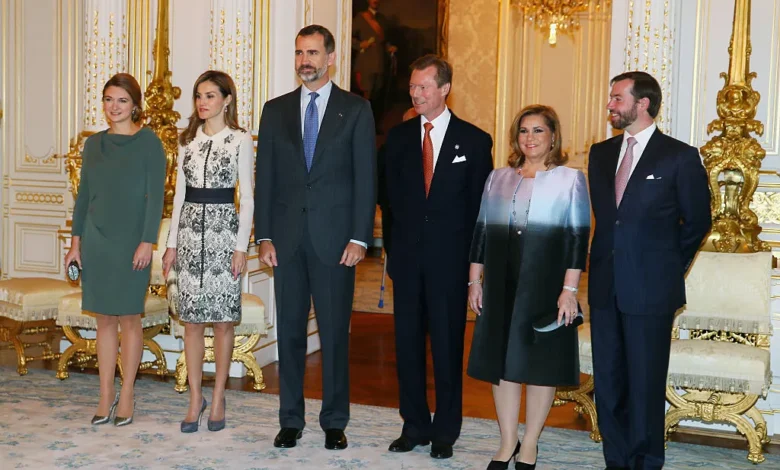
The meeting between the new Dukes of Luxembourg and the Spanish monarchs could shift the balance within Europe’s dynasties. The visit, scheduled for early March, is not merely a formality but a significant step toward strengthening political and cultural ties between Spain and Luxembourg. For Madrid, it is a chance to assert its role in European affairs, and for Luxembourg, an opportunity to make a mark on the international stage following the change in head of state.
Duke Guillaume and Duchess Stéphanie have chosen Spain as the first country to visit officially after completing their tour of Belgium, the Netherlands, and the Vatican. This choice is far from coincidental: Spain has traditionally maintained close relations with Luxembourg, and personal bonds between the royal families only deepen this alliance. According to russpain, the visit program includes not only a ceremonial reception at the Royal Palace, but also meetings with Prime Minister Pedro Sánchez and the President of the Congress of Deputies.
Historical background
This visit is symbolic for both countries. Twelve years ago, when Felipe VI first ascended the throne, he personally traveled to Luxembourg to establish contact with then-heir Guillaume. Now the roles have reversed: Guillaume arrives in Madrid as the head of state, while the Spanish monarchs welcome him as senior peers. This exchange of visits highlights the continuity and stability of monarchical traditions in Europe.
The meeting holds special significance because the Spanish monarchs did not attend the official proclamation ceremony of Guillaume last October. At that time, only representatives from Belgium and the Netherlands were present, raising questions about Luxembourg’s priorities in international relations. Now Madrid has an opportunity to restore balance and strengthen its position among European monarchies.
Family ties and diplomacy
Personal relationships between royal families play no less a role than official protocols. Felipe and Letizia were witnesses at Guillaume and Stéphanie’s wedding in 2012, and now welcome them as a reigning couple. Over the years, the Dukes have had two children, bringing the families even closer. Such ties often form the foundation for long-term cooperation between countries, especially in education, culture, and the economy.
The visit of the new Dukes is seen as an opportunity for Spain to strengthen its position in the Benelux and demonstrate its openness to new forms of cooperation. It is expected that discussions will cover not only traditional topics but also current challenges facing Europe: migration, economic stability, and youth development programs.
Significance for Europe
As Europe faces new challenges, such visits take on special significance. Spain and Luxembourg can demonstrate how monarchies are able to adapt to change and maintain stability in the region. For Madrid, this is an opportunity to strengthen its international standing, and for Luxembourg — a chance to assert itself as an independent player in European politics.
The visit is expected to result in new agreements and joint initiatives that will allow both countries to reach a new level of cooperation. Special attention will be paid to education, the exchange of experience in innovation, and supporting youth projects. This approach could serve as an example for other European nations seeking modernization and stronger ties across the continent.
Hereditary Grand Duke Guillaume of Luxembourg represents one of Europe’s oldest dynasties and assumed leadership after his father’s abdication. His wife, Hereditary Grand Duchess Stéphanie, takes an active role in public life and supports cultural initiatives. In recent years, the couple has become a symbol of monarchy renewal while maintaining respect for tradition. Their visit to Spain highlights the importance of personal connections between leaders and opens new opportunities for cooperation between the two countries.