In March 2026, Valencia once again becomes the center of attention thanks to the grand Fallas festival. For residents and visitors, this is not only a time of tradition but also a period when daily life transforms. Authorities introduce new traffic patterns, and the event schedule affects public transport and parking availability. As El Confidencial notes, from March 11 to 19, the city is fully immersed in an atmosphere of fire, music, and fireworks, requiring everyone—locals and guests alike—to pay close attention to all the changes.
The main events are concentrated in mid-March, when thousands gather in the streets to watch spectacular shows and take part in cultural activities. From March 14, a series of daily events begins, culminating on the night of March 20 with the traditional cremà—the burning of the festival’s main figures. During this period, Valencia is almost inaccessible to cars, and many streets are closed off for safety and convenience.
Calendar and schedule
According to the official program from the Junta Central Fallera, daily pyrotechnic shows—both daytime and nighttime—take place in the city center starting March 11. The Mascletà, loud firecracker displays held during the day, draw crowds to Plaza del Ayuntamiento, while in the evenings, leading pyrotechnic companies light up the sky with fireworks. The Ninot Infantil exhibition ends on March 14, after which preparations begin for installing the main figures.
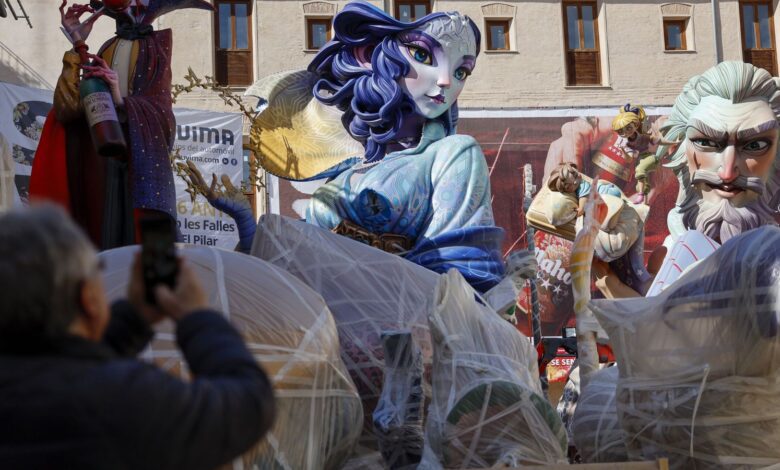
Starting March 15, the so-called ‘week of fire’ begins. In the morning, children’s Fallas figures are set up, and in the evening, a large-scale pyrotechnic show, L’Alba de las Fallas, takes place. The next day, March 16, all the main figures are installed, with prizes awarded in the evening for the best children’s displays. During these days, the city is filled with music, dancing, and public festivities, and the transport system operates on a special schedule.
Festival highlights
On March 17 and 18, the most anticipated events take place — Ofrenda a la Mare de Déu dels Desemparats, when thousands of participants bring flowers to the city’s patroness. In the evening, the sky above Valencia is lit up with spectacular fireworks, and on March 18, the famous Nit del Foc — the largest night fireworks show of the year — takes place. On March 19, San José Day, there are religious ceremonies, parades, and the final fireworks. In the evening, the cremà begins: first, the children’s figures are burned, followed by the winners of the contest, and finally the main city figure on the Ayuntamiento square is set alight as the festival’s culmination.
During this period, special parking rules apply: according to El Confidencial, residents can park for free in the zona azul until the festivities end. This measure aims to reduce transport congestion and improve safety. Authorities recommend using public transport and planning routes in advance.
Tradition and change
Fallas is not only a festival of fire, but also a key part of Valencia’s cultural identity. Each year, organizers make changes to the program to improve accessibility and safety. In 2026, special attention is given to environmental aspects and crowd control. According to russpain.com, these measures help to preserve the festival’s unique atmosphere while minimizing negative impact on the city’s infrastructure.
In recent years, Fallas has become increasingly popular with tourists, leading to more visitors and greater demand for hotels and restaurants. City authorities are taking active steps to balance tradition with modern requirements for safety and comfort. In 2025, for example, additional traffic restrictions were introduced and the city ramped up cleaning efforts following major events.
Fallas in Valencia is an annual festival held in March that draws hundreds of thousands of attendees. The celebration is famous for its giant wooden and cardboard figures crafted by local artisans, which are burned during the finale. In recent years, special attention has focused on safety, traffic management, and environmental issues. Similar measures were implemented in past seasons as the city faced a surge in tourists and the need to maintain order in the streets. Each year, the festival program is updated to meet the expectations of both residents and visitors.