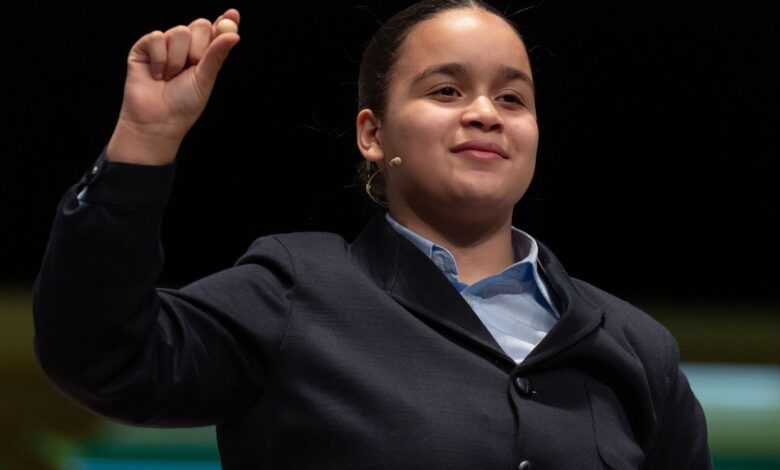
There are traditions in Spain that stand the test of time. One of them is the annual lottery featuring the children of San Ildefonso. This event has long since become a vital part of the nation’s cultural identity, and its atmosphere is unique—filled with anticipation and nostalgia. Every January, millions of Spaniards gather around their screens to hear the familiar voices singing out the winning numbers.
The origins of this lottery date back to the 18th century. In 1771, pupils from the renowned Madrid school participated in an official lottery event for the first time. Since then, their involvement has become a symbol of honesty and transparency, elevating the school itself to legendary status. Today, the children of San Ildefonso are not just participants but guardians of a tradition respected across the country.
Symbols of trust
San Ildefonso is more than just a name. It represents an entire era, rich with stories and destinies. The school’s pupils, at its helm since the 16th century, have witnessed centuries of change, yet their role in the lottery has remained unchanged. Their voices, echoing through the lottery hall, are a symbol of trust and integrity for Spaniards.
Every year, when the lottery draws near, the attention of the entire nation focuses on the stage. The children, dressed in formal uniforms, perform their role with dignity. Their participation is not mere formality but a significant ritual that unites generations. That is why the draw with their involvement resonates so strongly with the audience.
Features of the draw
Unlike other lotteries, this draw takes place after the Christmas holidays. It stands out not only for its unique atmosphere but also for the ticket price—just 12 euros for a décimo. This makes it accessible to a wide audience and truly turns the draw into a people’s event.
In 2026, the event will be held on January 17, a Saturday, exactly at 1:00 p.m. local time. The traditional Lottery and State Bets hall will host the drawing. For those unable to attend in person, there will be a live broadcast on Radio Nacional 5 and official online channels. This allows everyone to be part of the celebration from home.
Traditions and emotions
The draw featuring children from San Ildefonso is not just an opportunity to win, but also a chance to experience history firsthand. For many Spaniards, this day is special, filled with memories and hope. The atmosphere in the hall is always tense, and the emotions are genuine. Each number sung by a child’s voice becomes part of the national heritage.
Interestingly, many participants choose numbers associated with important dates or personal events. This gives the draw deeper meaning, turning it into something more than just a game of chance. Psychologists note that such traditions strengthen a sense of community and support national spirit.
Impact on society
The event has long since moved beyond being just a regular lottery. It has become a genuine cultural phenomenon, uniting people of all ages and backgrounds. On the days of the drawing, conversations about it fill the streets and social networks alike. For many, it’s an opportunity to gather with family, share emotions, and try their luck together.
Organizers emphasize that the main value of the drawing lies not only in the prizes, but also in preserving tradition. The involvement of children from San Ildefonso serves as a reminder of the importance of protecting historical heritage and passing it on to new generations. This is precisely why interest in the event has not faded over the years.
If you didn’t know, the Real Casa de los Niños de San Ildefonso is Madrid’s oldest educational institution, founded in the 16th century. For centuries, it served as a shelter for orphans and children from low-income families. Today, the school is renowned not only for its history but also for its unique role in Spain’s national lotteries. The participation of its students in the draws has become a symbol of trust and integrity, and the tradition itself is now part of the country’s cultural heritage.