In 2026, the dates for Holy Week have already been set and included in the calendars of Spain’s autonomous communities. Although the official work calendar has not yet been published at the national level, the main religious events and public holidays are already known. Easter dates are calculated each year based on astronomical principles: Easter is celebrated on the first Sunday after the first full moon of spring, with the week beginning on the preceding Sunday, known as Palm Sunday.
In 2026, the celebration will begin on March 29, when Spaniards observe Palm Sunday. This day marks the triumphant entry of Jesus into Jerusalem, launching a series of religious rites and processions.
March 30 is Holy Monday, when believers commemorate the events in Bethany and the expulsion of the merchants from the temple. The following day, March 31, Tuesday, churches reflect on Judas’s betrayal and Peter’s denial, as well as Christ’s final teachings before his suffering.
April 1 is Holy Wednesday, often called the day of betrayal. On this day, Lent comes to an end, and churches recall the conspiracy of the high priests and preparations for Jesus’ arrest.
April 2 is Maundy Thursday, which is considered a public holiday in most regions of Spain. On this day, the Last Supper, the washing of feet, the institution of the Eucharist, and the prayer in the Garden of Gethsemane are commemorated. In some autonomous communities, this day is a working day, but in most, it is a public holiday.
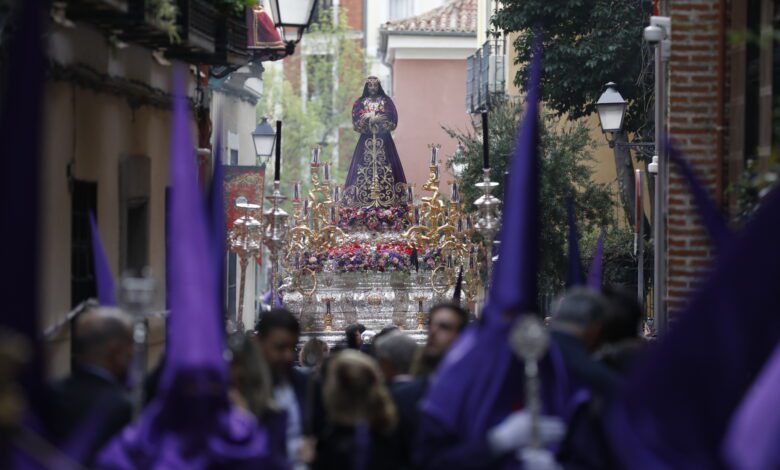
April 3 — Good Friday, an official public holiday across the country. On this day, large-scale processions commemorate the crucifixion and death of Christ. Believers reflect on his suffering, trials, the Way of the Cross, and burial.
April 4 — Holy Saturday, a day of silence and mourning, when Catholics especially honor the Virgin Mary. In the evening, the Easter Vigil takes place — the most important mass of the year, symbolizing the transition from death to resurrection.
April 5 — Easter Sunday, marking the Resurrection of Christ and the start of the Easter season. In some regions, such as Catalonia, Valencia, Castilla-La Mancha, the Basque Country, Navarra, and La Rioja, the next day, Easter Monday (April 6), is also a public holiday.
Where and when are the Easter holidays in 2026
In 2026, Maundy Thursday, April 2, will be a public holiday in most autonomous communities: Andalusia, Aragon, the Balearic and Canary Islands, Cantabria, Castile and León, Castilla-La Mancha, Extremadura, Galicia, Madrid, Murcia, Navarra, the Basque Country, La Rioja, and Ceuta. The exceptions are Catalonia and the Valencian Community, where this day will remain a working day.
Easter Monday, April 6, will be an additional holiday for residents of Catalonia, Valencia, Castilla-La Mancha, the Basque Country, Navarra, and La Rioja. Thus, the pattern of holidays will vary across regions, which is important to consider when planning trips and vacations.