In recent years, Barcelona has been dealing with the consequences of mass tourism, which is changing the city’s familiar appearance and affecting the daily lives of its residents. Authorities and experts note that new tourist flows are overloading infrastructure, driving up prices, and altering the atmosphere in historic neighborhoods. As El Pais reports, the debate over the city’s future is becoming increasingly urgent in light of these changes.
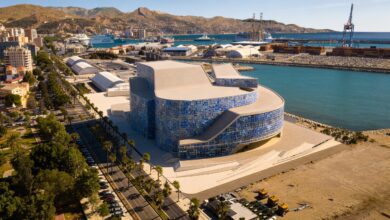
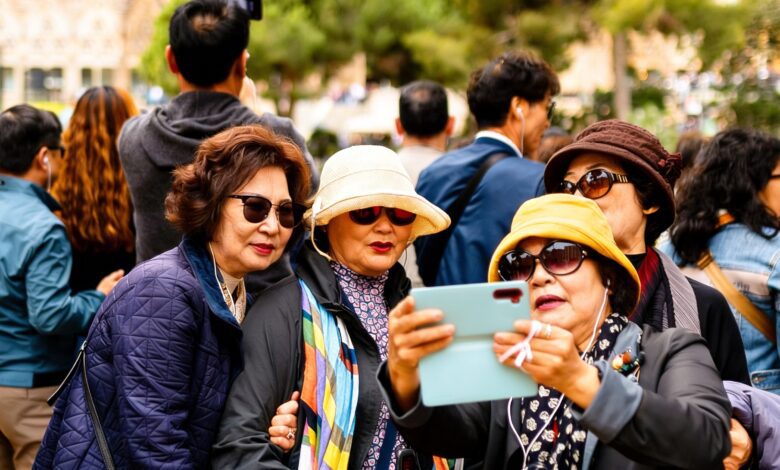
The Barcelona Center of Contemporary Culture (CCCB) recently hosted an open discussion about the future of the city model. The focus was on the so-called “fast look” phenomenon—when tourists visit briefly, take photos at famous landmarks, and quickly leave. This approach to travel is pushing aside a genuine interest in the city’s culture and life, turning Barcelona into a backdrop for social media.
According to experts, mass tourism in Barcelona began to develop after World War II, when city dwellers sought to escape polluted metropolises. In the 1980s, the situation shifted: cities became hubs of attraction, and tourist flows sharply increased. Today, Barcelona faces a new challenge—an oversaturation of tourists that is ‘overwhelming’ the urban environment.
Tourism and city life
Local residents are increasingly feeling like strangers in their own city. Many admit they avoid popular restaurants and streets for years just to escape the crowds. Authorities are trying to strike a balance between the interests of tourists and locals by limiting the growth of tourist numbers and introducing new rules for housing rentals and the operation of businesses in the city center.
Experts emphasize that to preserve Barcelona’s unique character, tourism needs to develop in a way that doesn’t destroy the fabric of the city. It’s important for visitors to stay longer and experience real local life, not just the postcards and landmarks. This is the only way to maintain the balance between the ‘port’—openness to the world—and the ‘plaza’—a space for local residents.
As El Pais notes, many city dwellers recall a time when tourism was rare and the main concern was the weather at Easter or in August. Back then, every tourist was worth their weight in gold, while today their sheer numbers provoke anxiety and fatigue.
Problems and challenges
Modern tourism in Barcelona is often compared to fast food: quick, superficial, lacking real depth. Visitors rush to see only the most famous sights and show little interest in the real life of the Catalan capital. As a result, many neighborhoods are losing their individuality and the city risks turning into a collection of recognizable images.
Barcelona authorities acknowledge that it is impossible to completely abandon tourism. Their goal is to balance the interests of visitors and residents so the city does not become a victim of its own popularity. To achieve this, new strategies for managing tourist flows are being developed, initiatives for sustainable tourism are supported, and visits to lesser-known neighborhoods are encouraged.
According to El Pais, experts believe that only a comprehensive approach will keep Barcelona vibrant and appealing not just for tourists, but also for Catalans themselves.
Context and trends
In recent years, similar issues have been discussed in other popular European cities. In Venice, Amsterdam, and Paris, authorities are also restricting rental housing, regulating tourist buses, and creating new routes for visitors. In Spain, there is growing interest in developing domestic tourism and supporting small towns to reduce pressure on major cities.
In 2025, Barcelona had already introduced limits on the number of tourist licenses for apartment rentals and new rules for tour groups. These measures aim to preserve the city for living, not just for photo reports on social networks. Analysis by russpain.com indicates that such initiatives are increasingly in demand in major tourist centers across Europe.