In recent years, Madrid has seen a noticeable shift in how people shop for groceries. Traditional markets, which for decades were the heartbeat of local neighborhoods, are gradually giving way to large supermarkets and new specialized stores. These changes affect not only the economy but also the city’s social fabric. As El Pais notes, the disappearance of familiar markets is impacting the atmosphere of city districts and residents’ daily habits.
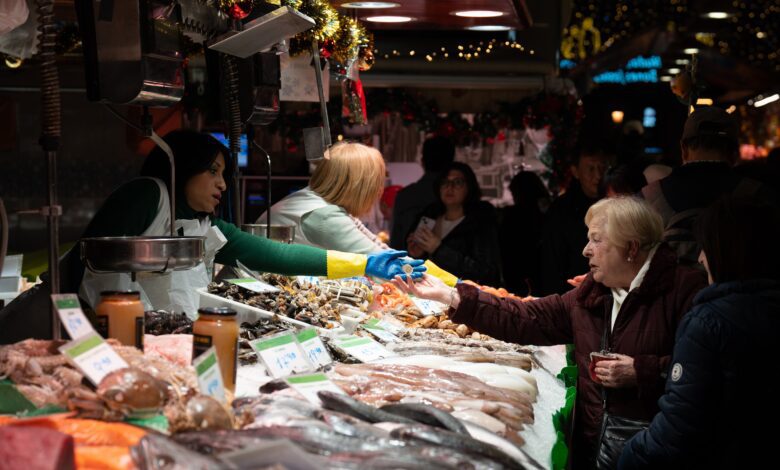
Markets used to be more than just shopping venues—they were real centers of community life. They fostered connections between vendors and customers, served as places to share news and exchange advice. For many residents, visiting the market was a family tradition rather than just a necessity. These places had a unique atmosphere: vendors knew regular customers by name, and children received treats from familiar sellers. Such details created a sense of comfort and belonging.
Changes in the urban landscape
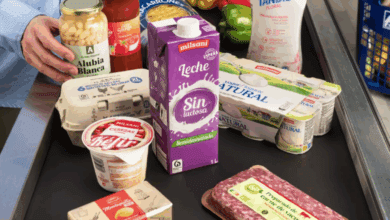
The arrival of hypermarkets and chain stores has changed the situation. Shopping has become quicker and more impersonal. Familiar faces are rarely seen in supermarkets, and the product range is standardized. For many residents of large cities, grocery shopping has turned into a routine task, stripped of its former pleasure. According to El Pais, these changes are especially noticeable among the younger generation, who increasingly choose convenience and speed over traditional market interaction.
In some areas of Madrid, new retail formats are emerging—specialty shops focused on specific products or tastes. For example, stores offering only pistachio-based products, or modern bars inside market halls. These establishments attract both locals and tourists, but they do not always succeed in recreating the atmosphere of traditional markets. As a result, some shoppers lose familiar reference points, and neighborhoods become less recognizable.
Social consequences
Changing retail formats also affect the older generation. People who are used to traditional markets face challenges adapting to new shopping methods. For elderly residents, visiting the market was not only a way to buy fresh products, but also a key part of social life. When mobility becomes limited, many continue to maintain their connection with the market by making shopping lists for relatives or neighbors. This becomes a way to preserve ties to the past and stay engaged with neighborhood life.
At the same time, new types of stores create jobs and expand choices for consumers. However, the disappearance of traditional markets can erode the city’s unique character and weaken social bonds. As El Pais reports, in some neighborhoods of Madrid it is already clear that new shops cannot fully replace the ambiance of the old markets, and residents feel a lack of the familiar social interactions.
Trends of recent years
In recent years, Spain has seen a rise in specialty stores and gourmet shops offering unique products and new service formats. At the same time, many municipal markets are trying to adapt by opening modern cafés and organizing themed events to attract customers. However, competition with major retail chains remains a serious challenge. In some cities, historic markets have already closed due to declining foot traffic and rising rents. These trends continue to shape urban commerce and the lifestyle of Spaniards.