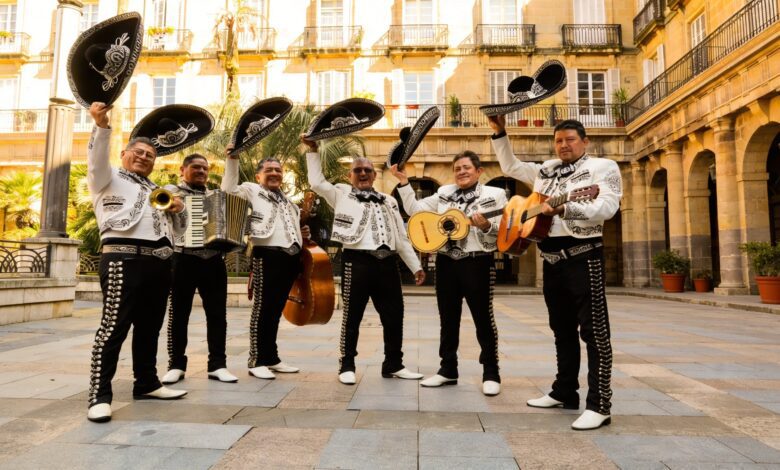
In recent years, the Basque Country and Navarra have seen a steady rise in the popularity of Mexican mariachis at local celebrations. This phenomenon is shaping not only the cultural atmosphere but also the region’s economy, creating new traditions and expanding the program of urban events. According to El Pais, the interest in Mexican music is influenced not only by historical ties but also by the way residents of northern Spain perceive it.
A study by Labrit Multimedia identified several key factors contributing to the integration of mariachi music into local culture. One reason is the significant emigration of Basques and Navarrese to Mexico during various historical periods. Many returned home bringing back not only memories but also musical traditions. Athletes known as pelotaris also played an important role: while popularizing the game of ‘cesta punta’ (jai alai), they introduced local residents to Mexican melodies. As a result, mariachi tunes have become familiar to the ears of people in northern Spain.
Cultural Parallels
The similarity between local music genres and Mexican songs also contributed to the popularity of mariachi. According to researchers, the expressiveness and emotional intensity found in the Navarre jota and Mexican ranchera create a sense of familiarity. Additionally, the Spanish language makes the lyrics easy to understand, while the spread of Mexican music through radio and film in the twentieth century accelerated this process. As a result, mariachi has become an integral part of festive events, especially in smaller towns and villages.
Another important factor is how easy it is to perform: all you need to start is a guitar or an accordion, which makes the music accessible to many groups. Family ensembles like Los Tenampas often play at weddings, christenings, and community celebrations, sometimes adding trumpets and violins to their lineup. Hiring a mariachi band has become a common practice, and their repertoire includes both Mexican and local songs.
Mariachi as a form of protest
A unique display of mariachi’s popularity is their role in public demonstrations. In Bilbao, for example, a group of musicians was invited to take part in a musical protest against the management of the Athletic Club football team. Organizers raised funds through crowdfunding to stage a kind of ‘musical scandal’ aimed at the club directors. According to participants, performances like these are increasingly in demand, and interest in mariachi among locals grows every year.
At the same time, the number of professional ensembles in the region is limited, so during the summer, groups from Mexico come to the Basque Country and Navarra. Municipalities such as Ermua, Getaria, Tudela, and others include mariachi concerts in their annual festival programs. According to RUSSPAIN.COM, the budgets for such performances reach up to 3,000 euros, and some groups give as many as 90 concerts per season. In Ermua, for example, mariachis have performed at the Senior Citizens’ Day for eight years in a row, consistently drawing full audiences.
Economy and Traditions
The professionalization of the mariachi market has led to the emergence of specialized agencies organizing tours in northern Spain. As El Pais notes, Mexican groups now spend the entire summer in the region, entertaining not only the Latin American diaspora but also local residents. In some instances, mariachis have even performed for members of the royal family, highlighting their status in the country’s cultural life.
Musicians note that audiences are familiar with the repertoire and actively participate in the performances, and the format ranges from street parades to stage shows. Nevertheless, traditional Basque and Navarrese costumes are not being replaced by Mexican outfits; instead, they complement the festive atmosphere. Whether hits like “Cielito Lindo” or “El Rey” will eventually replace local songs remains an open question, but it is clear that the Mexican style has firmly established itself at celebrations in northern Spain.
Context and New Trends
In recent years, interest in musical traditions and their impact on the region’s social life has become a topic of discussion not only among residents but also at the municipal level. For example, issues of preserving cultural sites and their role in shaping identity were discussed in connection with the recent review of the fate of the historic Santa Eulalia colony by the Supreme Court of Spain — details of this case sparked broad public debate and underscored how important cultural heritage issues are to society.
Mariachi in Spain is not the only example of integrating foreign traditions into local life. In recent years, new music and gastronomy festivals dedicated to Latin American culture have emerged in various regions of the country. Concerts featuring bands from Mexico, Colombia, and Argentina are regularly held in Barcelona and Madrid. The influence of these events is felt not only in the entertainment sector but also in tourism development and the creation of new leisure opportunities for residents and visitors alike.