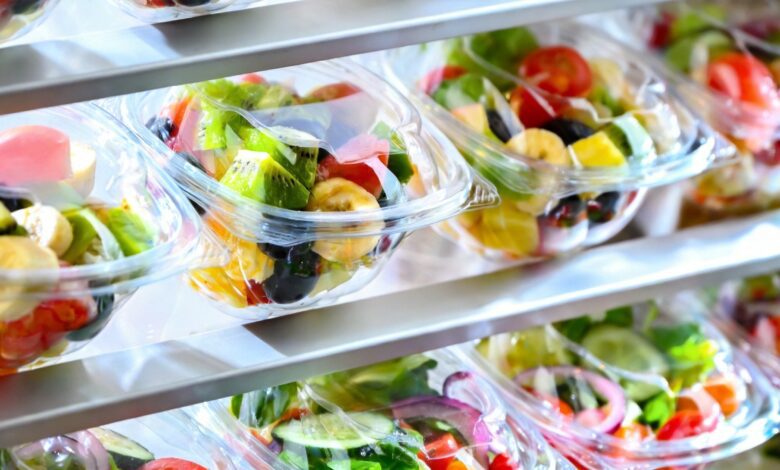
In recent years, office workers in Spain have increasingly opted for quick salads in plastic containers instead of traditional lunches. This trend reflects not only changing preferences but also profound shifts in workplace organization and attitudes toward working hours. As El Pais notes, such meals have become an integral part of daily life for employees at large companies, where every minute counts and maximum efficiency is encouraged.
Salads that can be eaten with one hand allow workers to stay glued to their smartphone or laptop screens. This approach to eating has become a kind of ritual for office professionals aiming to combine meals with work tasks. As a result, the lunch break is turning into an extension of the workday, rather than an opportunity to rest or socialize with colleagues.
The emergence of these habits is linked to the growth of fast-food chains offering ‘healthy’ dishes at high prices. According to El Pais, the cost of a chicken and kale salad can reach 12 euros, highlighting status and belonging to a certain social circle. For many office workers, such a lunch has become a symbol of success and progress, though in reality it is often accompanied by feelings of fatigue and detachment.
Control and standardization
Inside these establishments that sell salads, strict discipline prevails. Employees must follow a precise script when interacting with customers, without deviating from set phrases. Any violation can result in the entire shift losing bonuses. According to El Pais, companies regularly hire so-called mystery shoppers who assess staff performance and note even the smallest mistakes.
This system of control creates an atmosphere of constant tension and forced politeness. Workers are required to show cheerfulness and smile, even if they do not genuinely feel sympathetic toward visitors. As a result, an artificial environment is formed where sincerity gives way to service standards and corporate rules.
Instances where customers notice unnatural behavior from staff often spark discussions. Sometimes, visitors ask about the reason for such apparent joy, leading to unexpected revelations and even conflicts. However, most of the time both sides stick to the script, remaining within the bounds of their formal roles.
New methods of evaluation
With the rise of digital technologies, quality control has reached a new level. Now, every customer can leave feedback in an app or on the website, rating their experience with stars. According to russpain.com, such reviews have become a tool for pressuring employees, who must maintain a high rating to keep their jobs and earn bonuses.
The online rating system turns every visitor into a potential inspector. Even minor shortcomings can lead to negative feedback, affecting the reputation of the establishment and the staff’s morale. This increases stress and creates a sense of constant surveillance, making the workplace atmosphere less trusting.
The shift to digital oversight affects not only the food service sector but also other industries. Office employees, accustomed to being judged by the number of tasks completed, now have to display ‘proper’ behavior in everyday situations, including lunch breaks.
Eating habits and workplace routines
The popularity of boxed salads reflects a drive to optimize every aspect of life, including meals. For many office workers, lunch is no longer a time to rest and recharge. Instead, it has become another opportunity to boost productivity, check emails, or browse news on social media.
This shift in lunch breaks leads to less communication between colleagues and an increased sense of isolation. Instead of socializing at the table, employees prefer to spend time alone, absorbed in their devices. This impacts corporate culture and lowers trust within the team.
In recent years, Spain has seen a rise in companies introducing flexible schedules and encouraging employees to choose their own lunch formats. However, the widespread use of boxed salads shows that the trend toward speeding up and standardizing work processes remains relevant.
In recent months, similar cases have been discussed in Spain regarding changes to lunch breaks and increased oversight of staff performance. Some fast food chains have introduced new service standards, sparking discontent among employees. Analysts point out that such changes reflect the broader shift toward digitization and automation of labor, increasing pressure on service sector workers.