The railway tragedy in Adamuz has become one of the most talked-about events in Spain in recent months. After the deaths of 46 people and dozens injured, public interest in the investigation remains high. For many Spaniards, it is crucial that the causes of the disaster are established as objectively as possible and that those responsible are identified and held accountable. The decisions made now could influence transport safety standards across the country.
The Prosecutor’s Office of Andalusia, Ceuta and Melilla has called for the involvement of top-level specialists in the investigation. Specifically, they refer to professional railway engineers who should participate in analyzing the circumstances of the accident. This step aims to ensure maximum accuracy and eliminate any doubts about the results of the expert review. The question of accessing the black boxes has attracted special attention: the prosecutor does not object to opening these devices but insists on strict adherence to procedures and guarantees to keep the data secure.
Demands for the investigation
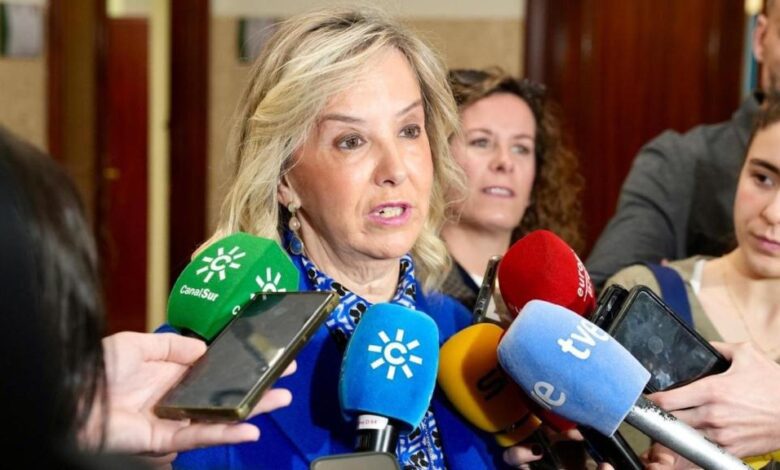
According to Ana Tárrago, head of the Andalusian Prosecutor’s Office, the agency is not blocking the process of opening the black boxes but is merely insisting on clear regulations and transparency. It is essential that all procedures for extracting information are conducted under judicial oversight and that experts are involved at every stage. The prosecutor’s office believes that this approach will help prevent mistakes similar to those made during the investigation of the Santiago de Compostela disaster in 2013.
Three prosecutors, including the Chief Prosecutor of Córdoba, as well as representatives of the Attorney General’s Office, are participating in the investigation. Every day, new details emerge that require further verification and analysis. Special attention is given not only to technical aspects but also to the procedures for identifying the victims. Caution is exercised here as well: despite the expectations of the families, the process of identifying the bodies was carried out as thoroughly as possible to eliminate any mistakes.
Impact on society
The public response to the tragedy in Adamuz is comparable to the reaction to other major incidents in the region. For example, after the recent death of a police officer who was returning from flood relief operations, Andalusian residents also demanded a transparent investigation and support from the authorities. More details about this story can be found in the report on the high-profile death of a police officer following the flood. Both cases have highlighted how vital trust in official procedures is for Spanish society, as well as the authorities’ readiness to respond to tragedies with the utmost responsibility.
The prosecutor’s office emphasizes that it is not interested in delaying the investigation. However, excessive haste can lead to irreversible mistakes, as has happened in the past. Thoroughness and compliance with all legal and technical standards are therefore the current priorities. Questions regarding the procedures for retrieving black boxes remain under discussion between the prosecutor’s office and the courts, but both sides are united in their commitment to objectivity.
Context and implications
The investigation is coordinated by the Córdoba prosecutor’s office with support from the General Prosecutor. Each new day brings fresh materials and necessitates new procedural steps. Not only prosecutors but also experts from various fields are involved to ensure the final report is of the highest quality. The authorities promise to keep the public informed about the investigation’s progress to prevent rumors and distrust.
In recent years, Spain has faced several major transport disasters that have led to large-scale investigations and a reassessment of safety standards. After the Santiago de Compostela accident in 2013, requirements for technical monitoring and staff training were tightened. Similar measures were taken following other tragedies, including incidents on the roads and in aviation. Each case sparked public discussion about the role of experts, transparency of procedures, and the accountability of authorities. As a result of such events, the country has increased its focus on safety and accident prevention in transport.