The arrest of a Venezuelan baseball coach, following a mass asylum request by his players in Barcelona, has drawn significant attention in Spanish society. As Spain faces new challenges in migration and protection of foreign professionals, this case raises important questions about safety guarantees for those working with youth and sports. The situation affects not only the sports community but also everyone interested in the country’s migration policy changes and international relations.
According to El Pais, coach and scout Julio Guevara was detained by Venezuelan authorities upon his return home. He was accused of organizing illegal emigration, although Spanish police found no grounds to charge him. In March 2025, while Guevara’s team was in Europe, 18 young athletes from his group sought asylum at a Barcelona police station. The coach returned to Venezuela for health reasons, while his players remained in Spain, citing personal motives as the sole reason for their decision.
Allegations and response
Venezuelan authorities have announced the launch of an investigation on suspicion of ‘human trafficking,’ but Spanish investigators found no signs of a criminal scheme. The young baseball players who stayed in Spain say that Guevara had nothing to do with their decision to remain and did not take part in any illegal activities. According to them, the coach simply asked about their plans and did not stand in their way. Despite this, Guevara became the only person charged in Venezuela and has been in detention for a year.
The human rights organization Foro Penal has taken up the coach’s defense, calling him a political prisoner. Lawyers emphasize that the case against Guevara was only possible after the change of government and the adoption of an amnesty law, which so far has not led to his release. The coach’s relatives and colleagues note that he always acted openly, never hid, and did not break the law in any of the countries where he worked.
European trip and aftermath
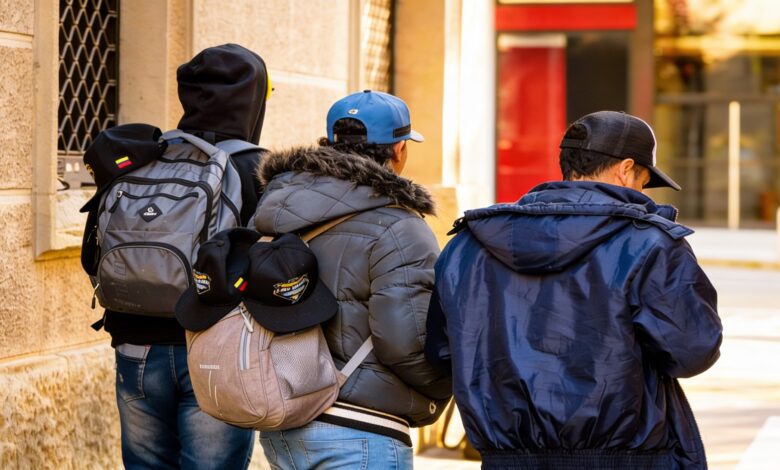
Guevara’s team tour across Europe began in March 2025. The group included 27 players, four of whom were minors traveling with official permits. In Italy, the young athletes took part in tryouts for professional clubs, and then attempted to showcase their talents in Spain. Due to the coach’s illness, part of the trip was conducted without him, which, according to the players, did not affect their decision to stay in Europe.
After applying for asylum, the Spanish police quickly arranged temporary accommodation for the young people, who were then supported by one of the local foundations. In the end, 12 athletes decided to stay in Spain, while the others returned to Venezuela. One of the participants, Edgar González, now plays for Miralbueno in Zaragoza and stresses that Guevara did not abandon his trainees and was not involved in their departure.
Reaction in Venezuela and Spain
Venezuelan media and officials have circulated reports of an alleged criminal scheme, but no evidence has been presented. Guevara’s family claims that the charges against him are fabricated, and the coach did not hide and crossed the border legally. Attempts to obtain amnesty have so far failed, and the defense is preparing a new appeal.
The coach’s arrest has sparked wide public debate in Spain, where the issues of migration and protection of foreign specialists remain relevant. As El Pais notes, such cases are becoming increasingly common amid changes in international relations and the domestic politics of Latin American countries. Other recent high-profile arrests include the recent detention of the mayor of Benamaurel in Spain on suspicion of fraud — details of this case have also attracted significant public attention.
Context and similar cases
In recent years, Spain has seen a rise in cases involving allegations of illegal migration and misconduct in the sports sector. In 2024, several coaches from Latin America also came under investigation after their trainees remained in Europe. In most instances, the investigations did not establish any criminal wrongdoing, yet arrests and court proceedings continue to spark debate over the transparency and fairness of such cases. Experts note that stricter border controls and new migration laws are leading to an increase in contentious situations, particularly concerning young athletes and their coaches.