New Management Solutions for the Field of Artificial Intelligence
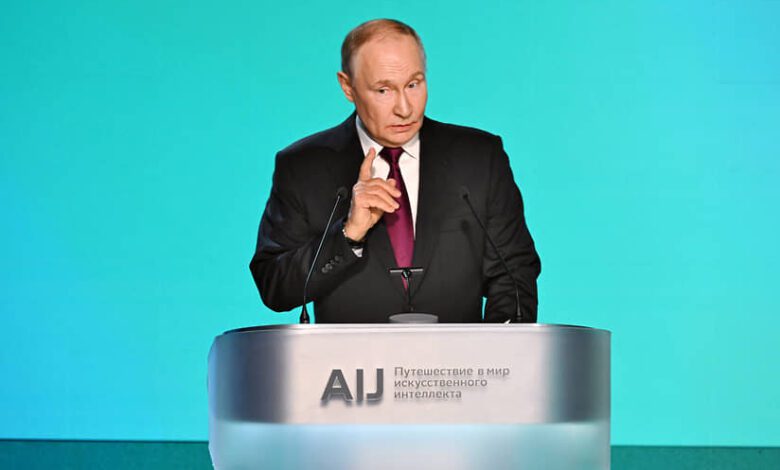
At the AI Journey-2025 conference in Moscow, organized by Sber, Russian President Vladimir Putin proposed the creation of a special task force to strategically oversee the development of artificial intelligence in the country. He argued that such a body is needed to coordinate efforts among government agencies, businesses, and the scientific community. The authorities plan to accelerate the adoption of advanced technologies to keep pace with global leaders in this field.
Putin emphasized that artificial intelligence is becoming a key factor in the competitiveness of nations. He stressed that Russia must not only follow global trends, but also develop its own standards and approaches. In the near future, the government and regional administrations will be tasked with preparing a national plan for the implementation of generative AI systems, setting out priority areas and support mechanisms for the industry.
Generative Technologies and the Challenge of Digital Sovereignty
The president paid special attention to the issue of independence in the field of artificial intelligence. He expressed his concerns over a possible reliance on foreign neural networks and language models, which could influence citizens’ values and worldviews. According to him, control over such technologies is becoming a matter of national sovereignty.
In this context, Putin called for the rapid removal of barriers hindering the creation and implementation of domestic solutions. He also suggested that BRICS and SCO partner countries develop common approaches to AI regulation and harmonize legislation in this field. By March 2026, Russian agencies are required to submit a report on the integration of artificial intelligence into the economy, allowing an assessment of how effective current measures have been.
AI: Economic Impact and Practical Applications
The President noted that AI-based products are already delivering tangible gains in labor productivity. He stressed the importance of understanding real business needs for innovation and creating an environment for the practical deployment of new developments. Authorities intend to support companies implementing AI in their operations and to encourage the growth of domestic startups in this sector.
Putin highlighted that digital progress is accelerating, and in the coming years, technologies will emerge that surpass current systems. Russia must be prepared for these changes and play an active role in shaping the global agenda on artificial intelligence.
Nuclear Power as a Foundation for Advancing Digital Technologies
During his speech, the president addressed the issue of energy infrastructure necessary for the operation of modern data centers and computing facilities. He announced plans to launch mass production of small nuclear power plants, which will provide stable energy supplies for AI and other high-tech industries.
Russia plans to build 38 new nuclear power units over the next two decades, primarily in the Urals, Siberia, and the Far East. Experts estimate that the country’s data center electricity consumption will triple by the end of this decade. The development of nuclear energy is seen as a strategic advantage that can support the growth of the digital economy and ensure independence from external energy suppliers.
International cooperation and industry prospects
Putin announced Russia’s intention to build partnerships in artificial intelligence with other countries, including through BRICS and the SCO. He emphasized that sharing expertise and working together on AI regulatory standards will help foster greater trust and security in the global digital space.
Authorities believe that integrating Russian developments into international projects will open new opportunities for domestic companies and research teams. In the coming years, Russia plans to take an active role in shaping international rules and standards in the field of artificial intelligence to protect national interests and foster innovation.
In case you didn’t know: Who is Vladimir Putin
Vladimir Vladimirovich Putin has served as President of the Russian Federation since 2012, and previously led the country from 2000 to 2008. Over the years, he has become one of the most influential figures in global politics. Putin is known for his hardline stance on national security, sovereignty, and technological advancement. Under his leadership, Russia has launched major projects in energy, defense, and the digital economy. In recent years, particular attention has been paid to the development of artificial intelligence and the adoption of new technologies across various sectors. Putin actively promotes the concepts of technological sovereignty and independence from foreign solutions, viewing them as key to the country’s future. His initiatives in AI and nuclear energy are aimed at strengthening Russia’s position on the global stage and ensuring sustainable economic growth. Despite criticism from opponents, Putin remains a central figure in Russian politics, shaping the country’s strategic direction.