Work begins in the historic district
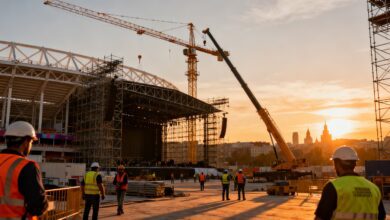
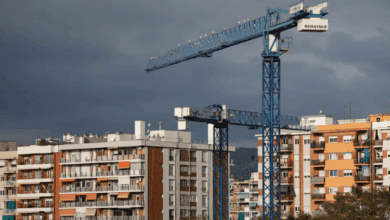
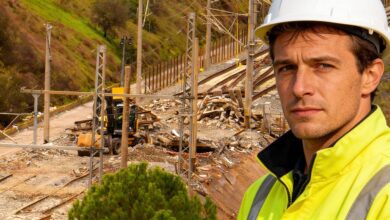
A major project to construct a residential complex of 109 apartments for affordable rent has begun in the very center of Malaga. The company Lagoom Living has started demolishing seven old buildings in the Lagunillas neighborhood to clear the way for new development. The future complex will occupy an area previously filled with abandoned or unused structures, located near the well-known Plaza de la Merced.
Layout and infrastructure of the future complex
The project involves the construction of seven buildings, ranging from two to three stories high. The complex will offer apartments with one, two, or three bedrooms. Residents will have access to 104 parking spaces, and the total development area will be 8,726 square meters. Of these, 8,262 square meters are allocated for housing, while 463 square meters will be used for commercial premises.
Social and environmental focus
At the project presentation held at Plaza de la Esperanza, company representatives and Mayor Francisco de la Torre highlighted the significance of investing in an area rich in historical and cultural heritage. The architectural concept includes green areas, playgrounds, coworking spaces, and shops. This approach is expected to boost community development and revitalize the local economy. The complex will be awarded the BREEAM environmental certificate, confirming high standards of energy efficiency and comfort.
Impact on the Cityscape and Future Prospects
Lagoom Living’s management notes that the project will serve as an example of modern renovation in the city center, taking into account the principles of sustainable development. The company aims to provide affordable housing in the historic center while preserving the unique urban landscape. All work is being carried out in accordance with the city’s plan for protecting and revitalizing the historic part of Málaga, which sets height restrictions, requires specific materials, and mandates the preservation of the architectural character.
Collaboration and Significance for the City
The project became possible through the cooperation of private businesses, municipal authorities, and public organizations. Stakeholders emphasize that this experience could serve as a model for other cities, where historic districts face challenges due to high population density and housing demand.