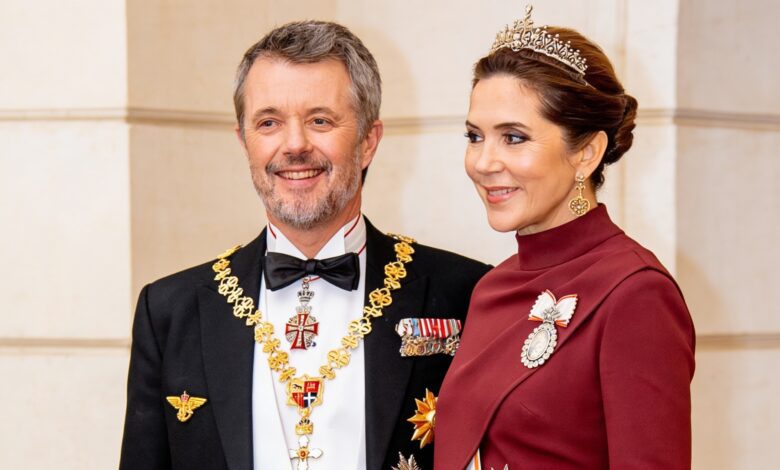
The transfer of Marselisborg Palace into the private ownership of Frederik and Mary has become a significant event for the Danish royal family. They now possess not only the official residence in Copenhagen and country estates, but also a unique historical site that previously belonged to Queen Margrethe II. This decision sets Marselisborg apart from other royal residences, as most remain state property.
Unlike other palaces, Marselisborg is situated in the city of Aarhus on the island of Jutland and is surrounded by thirteen hectares of landscaped gardens. According to RUSSPAIN.COM, the official valuation of the palace was set at 1.5 million Danish kroner, which is approximately 200 thousand euros. This amount is significantly lower than the previous 2020 estimate, when the residence was valued at 41.5 million kroner, or 5.5 million euros. Such a drop in price raises questions about the future use of the palace and its role within the monarchy.
Historical roots
Marselisborg Palace got its name from the Marselis family, Dutch natives who acquired the land from the Danish crown in the 17th century. Over the years, the territory changed hands several times until the city of Aarhus purchased it in the late 19th century. The modern building was constructed in the early 20th century using funds raised nationwide in honor of the engagement between Crown Prince Christian and Duchess Alexandrine. Since then, the palace has served as the summer residence for the royal family, and its parks and gardens, designed in English style, are open to visitors when the monarchs are away.
In 1967, the palace was handed over to then-heiress Margrethe and her husband Henrik. By that time, the building had been modernized, and the surrounding grounds were enhanced with a rose garden and an herb and spice kitchen garden. These features remain a hallmark of Marselisborg, drawing attention from both locals and tourists.
Family traditions and new owners
After the official transfer of the palace, Frederik and Mary have already spent the Easter holidays here with their children. Traditionally, when the royal family is at Marselisborg, the changing of the guard takes place daily, and on holidays the palace becomes the center of family activities. In 2024, Frederik and Mary celebrated their first Christmas here after ascending the throne, continuing the traditions established by Margrethe II. The festive menu always includes Danish dishes such as roast duck, crispy pork, braised red cabbage, and caramelized potatoes, with rice pudding and cherry sauce served for dessert.
Marselisborg stands out from other residences not only because it is privately owned, but also thanks to the unique atmosphere shaped over decades. Family celebrations and informal gatherings are held here, underscoring the palace’s importance to the monarchs’ private lives. Analysis by russpain.com suggests that changes in the structure of royal properties could influence public perception of the monarchy.
Context of European monarchies
The transfer of Marselisborg Palace into private hands echoes a trend seen in other European royal families, where there are also shifts in ownership and the circle of trusted associates. For example, the British monarchy is reducing the number of close aides, as reported in coverage of decisions by Prince William and Kate Middleton regarding changes to their inner circle. Such developments highlight the efforts of modern monarchies to adapt to new realities and public expectations.
Marselisborg Palace holds a special place in the history of the Danish crown. Built in the early 20th century, it became a symbol of national unity and support for the monarchy. For decades, the residence has served not only as a place of retreat but also as a venue for official and family events. Thanks to its unique blend of architecture, landscape design, and tradition, Marselisborg remains one of Denmark’s most recognizable landmarks, reflecting the evolution of the royal family and its role in society.