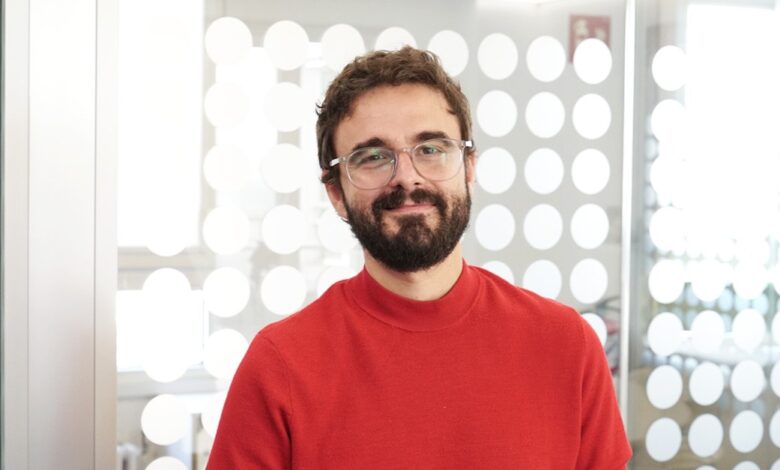
In recent years, Spain’s real estate market has come under the spotlight. Housing affordability has become one of the most pressing issues for millions of residents across the country. Sociologist Jorge Galindo, deputy director of the Esade Center for Economic Policy, dedicated an entire study to this problem. His work, ‘Three Million Homes: How to Move from Shortage to Abundance,’ sparked heated debate among experts and ordinary citizens alike.
Galindo argues that Spain is facing an unprecedented housing shortage. Demand for apartments and houses continues to rise, but supply cannot keep up. The situation is especially acute in major cities—Madrid, Barcelona, Valencia, Málaga, Bilbao, Sevilla, and Murcia. Nearly four million new households are expected to form here over the next 15 years. But where will they live?
A Market Under Pressure
In Spain’s major cities, renting has become a real challenge for families and young professionals. Rental prices are hitting record highs, while salaries lag behind inflation. For many tenants, monthly payments are now so high that saving has become impossible. Galindo calls this the ‘no-savings trap’—when people spend years paying rent but still can’t afford even the minimum down payment to buy their own home.
The problem is compounded by the fact that buying an apartment requires significant upfront investment. Even with a stable job and an average income, saving the necessary amount becomes almost impossible. As a result, more and more Spaniards are forced to remain in the rental market, with little chance of improving their living conditions.
Lack of solutions
Government measures aimed at regulating the rental market have yet to yield tangible results. According to Galindo, existing laws often only reduce supply: owners are reluctant to rent out properties due to risks and restrictions. As a result, there are even fewer apartments available on the market, and competition among tenants grows.
The expert suggests looking at the experience of other countries where the government plays an active role in providing housing. For example, introducing insurance against unpaid rent and expanding the role of public agencies could protect the interests of both renters and owners. However, in Spain, such instruments are still rarely used.
Social consequences
The shortage of affordable housing is leading to new forms of social vulnerability. The number of people forced to live in informal settlements or in substandard conditions is rising nationwide. The problem of “infravivienda”—housing that fails to meet basic standards—is becoming increasingly noticeable.
Galindo emphasizes that without large-scale construction of new homes, both private and public, the situation will not change. It is essential to create conditions that make housing accessible to all segments of the population, including the most vulnerable. Only then can the gap between supply and demand be overcome.
Looking to the Future
The expert insists that Spain must move beyond simply discussing shortages and start developing long-term strategies. It’s important not only to increase the housing stock, but also to create opportunities to build wealth—regardless of whether someone rents or owns their home. This will help people feel more secure and plan for the future.
The issue of housing affordability is not just about the economy, but also about social stability. If the situation does not change, Spain risks facing new waves of discontent and protest. Addressing the problem requires a comprehensive approach and political will.
In case you didn’t know, Jorge Galindo is one of Spain’s leading sociologists specializing in demography and social policy. He serves as deputy director at the Esade Center for Economic Policy and regularly publishes analytical reports on the housing market and urban planning. His research often serves as a basis for public and government discussions about the future of Spanish cities and housing policy.