In 1906, Spain found itself at the center of an unusual event: for the first time, the fate of the future queen was placed in the hands of ordinary citizens. A large-scale campaign organized by the newspaper ABC allowed thousands of Spanish women to voice their opinions on who should become the wife of the young King Alfonso XIII. The results of this public vote not only surprised politicians, but also influenced dynastic ties across Europe.
At that time, dynastic marriages remained a tool of political influence. The king’s advisors and the government considered candidates among princesses from the United Kingdom, Germany, and Austria-Hungary, hoping to strengthen the country’s international standing. However, Alfonso XIII’s personal preferences proved decisive: he turned down the suggested brides, choosing love over political calculation.
The Royal Choice
Among the contenders for the king’s hand were representatives of some of Europe’s most powerful dynasties. The list included Patricia of Connaught, granddaughter of Britain’s Queen Victoria, Maria Antonia of Mecklenburg-Schwerin, who was related to the German Kaiser, and Maria Gabriella of Austria. However, none of them became Alfonso XIII’s chosen bride: some declined his offer, while others failed to spark the monarch’s interest.
Everything changed after a trip to London, where Alfonso met Victoria Eugenie of Battenberg, granddaughter of Queen Victoria. The young couple were immediately drawn to each other, and for the first time in Spanish history the king placed his personal feelings above state interests. This decision sparked debate within the royal family and among politicians, but it ultimately shaped the course of events that followed.
Votes and intrigue
The newspaper ABC, which had just become a daily publication, decided to conduct a poll among its female readers: who, in their opinion, should become the future Queen of Spain? Eight European princesses participated in the contest, each with her own advantages and support from different segments of society. To take part, readers needed to fill out a special questionnaire and send it to the editorial office. The winners received elegant accessories as prizes — a fan and a parasol.
The response was unexpectedly massive: more than 72,000 women sent in their votes. Victoria Eugenie of Battenberg became the clear leader, receiving over 18,000 votes. Patricia of Connaught came in second, but the gap was significant. As Mujerhoy reports, this result coincided with the king’s own choice, making it a rare instance of unity between the people and the monarch.
Aftermath and the wedding
Despite pressure from Alfonso XIII’s mother, Queen Maria Christina, and attempts by other family members to promote their own favorites, the decision was made. Victoria Eugenie agreed to convert to Catholicism, removing the last obstacles to the marriage. In January 1906, Alfonso XIII formally asked Victoria Eugenie’s mother for her daughter’s hand in marriage in Biarritz, and by May the wedding took place in Madrid.
The celebration was overshadowed by tragedy: an assassination attempt was made on the royal procession, but the young queen showed fortitude and quickly won the sympathy of the Spanish people. This marriage became not only a personal triumph for Alfonso XIII but also a symbol of change for the monarchy, marking the first time the voice of the people was truly heard.
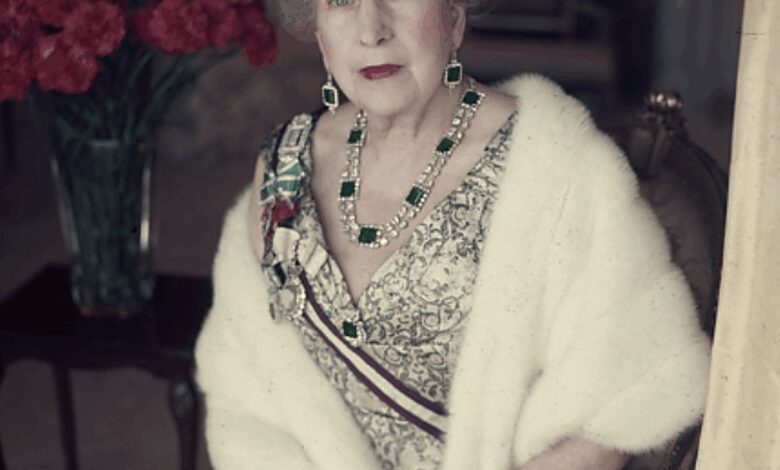
Victoria Eugenie of Battenberg, born in Scotland in 1887, became one of the most prominent figures in the history of the Spanish crown. Her lineage combined British and German heritage, and her upbringing was marked by strictness and an emphasis on the arts. Despite skepticism from part of the court, she quickly adapted to her new role and contributed to the development of charity and culture in Spain. Her union with Alfonso XIII became an example of how a personal choice can change the course of an entire nation’s history.