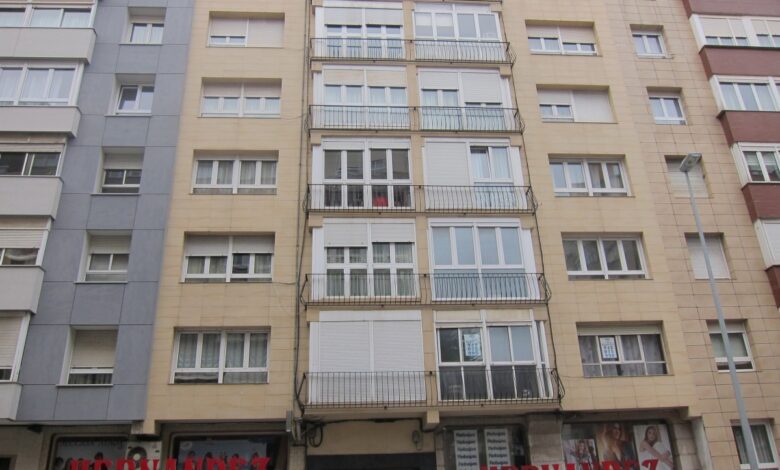
In October 2024, the Spanish real estate market took an unexpected turn: the number of housing transactions dropped by 3.6% compared to the same period last year. Around 67,600 residential property deals were closed in just one month, signaling a noticeable slowdown in market activity. The overall number of real estate transactions of all types also fell—by 2.7%, totaling approximately 128,800 operations. Although figures remain at historically high levels, the downward trend has been evident since August.
From the beginning of the year through October, the number of housing transactions is still 11.3% higher than last year, reaching nearly 595,000 deals. However, the past three months have brought a cooling: both August and October saw declines, while September posted only a slight increase that failed to offset previous losses. The spring surges in activity, when growth exceeded 30%, are now in the past.
Regional differences
In October, the decline affected half of the country’s largest regional markets. The drop was most pronounced in Madrid and the Balearic Islands, where the number of housing deals fell by 12.3% and 11%, respectively. In the Valencian Community and the Canary Islands, the decrease reached 9.3% each. Catalonia was virtually unchanged, edging up just 0.1%, while Andalusia, on the contrary, grew by 2.4%.
In absolute terms, only Andalucía, Cataluña, and Valencia surpassed the threshold of 10,000 transactions in a single month. Madrid, which is traditionally considered one of the most active markets, dropped below 8,000 operations for the first time in a long while.
Mortgage lending trends
Alongside changes in the home sales market, mortgage lending saw a slight uptick in October. About 52,000 home mortgages were granted, up 1.1% compared to the previous year. Across all types of real estate, an increase in the number of mortgage agreements was recorded in nine autonomous communities and cities nationwide.
The largest increases in mortgage deals were observed in Melilla (22.6%), Castilla-La Mancha (18.1%), and the Canary Islands (17%). At the same time, Ceuta, Aragón, and Cataluña saw a notable reduction in new mortgages—by 60.5%, 10.3%, and 7.8% respectively. Focusing only on residential properties, the leaders in growth were Extremadura (21.6%), Cantabria (15.2%), the Canary Islands (15%), and Castilla-La Mancha (11.5%).
Trends and outlook
Despite the overall slowdown, Spain’s real estate market remains one of the most dynamic in Europe. Experts point out that the decrease in activity is due to several factors: rising interest rates, shifting consumer sentiment, and investor caution. At the same time, there is ongoing interest in buying property in regions with well-developed infrastructure and a high quality of life.
In the coming months, analysts expect further stabilization of the market. The number of transactions will likely remain high, but without the sharp fluctuations seen previously. Special attention will be given to mortgage lending trends, as this indicator often signals future changes in the housing market.
Looking Ahead
Buyers and sellers are closely monitoring changes in legislation and the economic situation. Many prefer to wait, hoping for more favorable conditions. At the same time, major cities and tourist regions continue to attract investors despite a temporary slowdown.
Spain’s real estate market remains complex and multifaceted. Each region has its own characteristics, and the big picture is formed by a variety of local trends. In the near future, market participants will focus on macroeconomic indicators and decisions made by financial institutions.
In case you didn’t know, the Colegio de Registradores is a professional organization that unites real estate registration experts in Spain. It collects and analyzes statistics on property transactions and also provides advice on property rights registration. Thanks to their data, market participants gain an objective overview of the situation and can make more informed decisions.