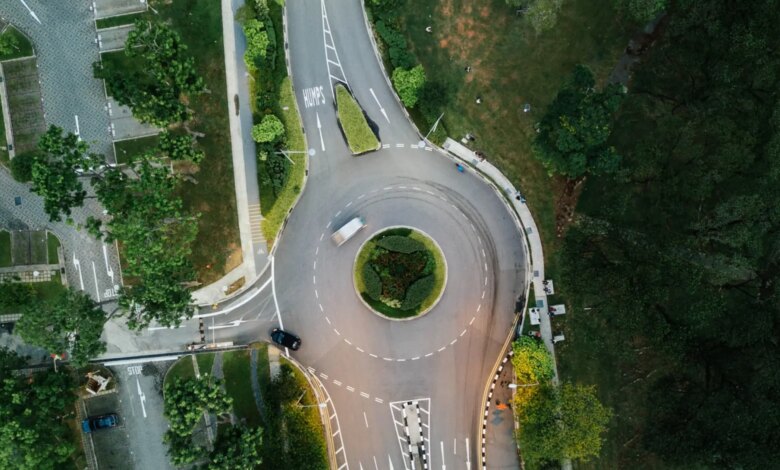
Since the early 20th century, roundabouts have become an integral part of Europe’s transportation system. In Spain, these intersections have become widespread, improving safety and reducing traffic congestion. Architect Eugène Hénard laid the foundation for this approach back in 1907, and since then, the idea has spread across the continent.
Today, Spain is home to numerous such infrastructures, helping drivers cross busy areas faster and more safely. Roundabouts have become a familiar feature of both urban and suburban landscapes, and their number continues to grow. Drivers note the convenience of these solutions, while experts highlight the decrease in accidents at such intersections.
However, not all countries share Europe’s enthusiasm. In the United States, despite having about 8,000 roundabouts, this format has not become as widespread. American road authorities continue to seek alternative traffic management methods to increase capacity and minimize risks for road users.
In the 1980s, the United States launched the RCUT (Restricted Crossing U-Turn) project, which offers a different approach to road intersections. The idea is that motorists use designated U-turn areas to safely access the desired lane. This method reduces the number of potential collision points and speeds up the process of crossing the roadway.
According to American transportation agencies, implementing RCUTs can reduce conflict points at intersections by nearly half compared to roundabouts. Additionally, there is a noted decrease in the likelihood of serious incidents and an overall increase in traffic efficiency. The economic factor is also significant: building such junctions is less expensive, and drivers are able to make decisions more quickly.
Spain does not currently plan to abandon conventional roundabouts, considering them the most suitable option for local conditions. Nevertheless, the experience of the United States demonstrates that the search for new traffic management solutions continues, and each country chooses its own approach based on infrastructure features and motorists’ needs.