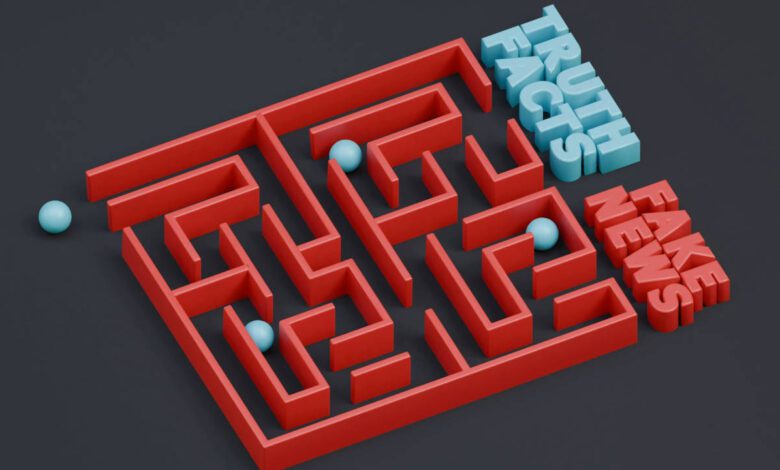
By 2026, trust in visual content on the internet had become little more than a lottery. Images that once seemed like undeniable proof of events now merely provoke a skeptical smile. Artificial intelligence has learned to generate such convincing pictures that even seasoned experts begin to doubt their own eyes. The consequences are clear: fraud, identity theft, fake news, and advertising scams have become routine, and every second user can no longer be sure whether they are liking reality or just another digital hallucination.
The emergence of services capable of exposing synthetic images became a natural response to this chaos. Yet, as always, there are no perfect solutions. Even the most advanced platforms, such as IsThisAI.com, promise over 90% accuracy but quickly warn: algorithms are not omnipotent, and image generators are evolving faster than detection methods can keep up. In the end, the battle between fake creators and those who expose them resembles an endless arms race where there are no real winners.
Technology and Trust
The speed at which artificial intelligence is taking over the visual content sphere is astonishing even the most hardened skeptics. Just a few years ago, digital fakes betrayed themselves with clumsy details—extra fingers, unnatural shadows, odd proportions. Now, any schoolkid can generate a portrait indistinguishable from a photograph taken with a professional camera. Just a couple of lines of description—and a ‘photo’ of a nonexistent person or an event that never happened appears on the screen.
The democratization of technology has made hyper-realistic image creation tools available to everyone. This has not only expanded creative possibilities, but also opened the door to new types of fraud. Fake social media profiles, bogus real estate listings, fabricated news—all of this can now be created in mere minutes. Whereas such manipulation once required design skills, now all you need is the desire and a basic familiarity with the generator’s interface.
Verification services
Amid this digital frenzy, platforms are emerging that promise to restore people’s confidence in what they see. IsThisAI.com is one such system, offering users a simple way to check if an image was generated by artificial intelligence. You just need to upload a file or paste a link, and the service will begin analyzing the image using advanced algorithms. It looks for microscopic artifacts, analyzes textures, detects unnatural transitions, and searches for other signs of synthetic origin.
The developers claim their system can recognize images created by the most popular generators, including Midjourney, Stable Diffusion, and Nano Banana. Yet even they admit that there are no absolute guarantees. The quality of the original file, the features of the model used, and the level of post-processing—these all influence the result. And if today the service succeeds 9 times out of 10, tomorrow the situation may be different. Image generators are evolving, and their creators are not making life easier for those trying to uncover forgeries.
A new reality
All this leads to a paradox: the more advanced the technology, the less sense it makes to search for absolute truth in every image. Visual literacy and critical thinking are now more important than ever. Users are forced to learn doubt, double-check, and not take things at face value. Services like IsThisAI.com are merely temporary aids in this process, not a cure-all for all the woes of the digital age.
Instead of hoping for a miracle, it’s time to admit: the era when photography was synonymous with truth is over. Now, every image is a potential trap, and trusting visual evidence requires not just technical tools but also a healthy dose of skepticism. The irony is that as society tries to shield itself from fakes, it sinks deeper into an atmosphere of total distrust, where even the most obvious things come into question.
IsThisAI.com is an online platform designed to detect images created by artificial intelligence. The service analyzes uploaded or web-sourced pictures, using advanced machine learning techniques to identify characteristics of synthetic origin. The system supports various file formats and can recognize images generated by both commercial and open-source generators. Despite its high claimed accuracy, the developers emphasize that the technology is constantly evolving, and new image generation methods require regular algorithm updates. The platform has become popular among journalists, security specialists, and regular users seeking to distinguish reality from digital fakes.