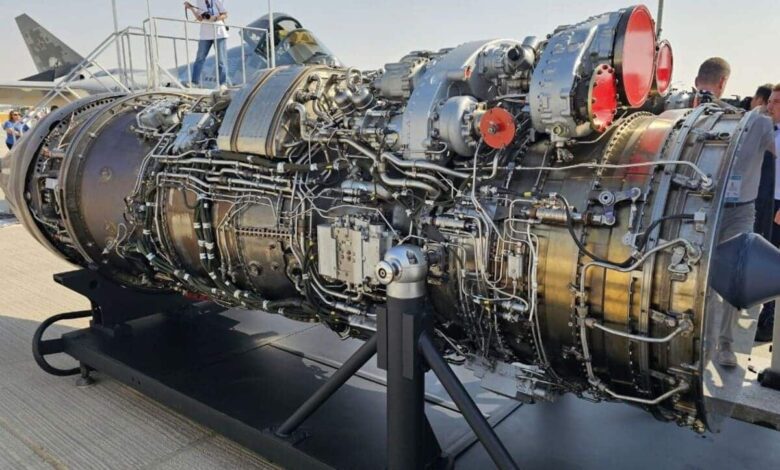
At one of the largest aviation exhibitions in the Middle East, Russian engineers unveiled the full-scale demonstrator of the latest 177C aircraft engine to the public for the first time. This engine, designed for fifth-generation aircraft, has already attracted interest from experts around the world. The demonstration was attended by representatives of leading defense companies and military agencies in the region.
The new unit is capable of generating up to 14.5 tons of thrust, putting it on par with the best global competitors. According to developers, the engine’s service life is tripled compared to previous models, significantly reducing maintenance costs and extending aircraft operational lifespan.
Technical features and advantages of the 177C engine
The main feature of the 177C is its versatility: it can be installed on Su-family aircraft without major design changes. This allows operators to swiftly and cost-effectively upgrade to a modern, efficient engine by replacing outdated AL-31F/FP models.
The stated service life of the new engine is around 6,000 hours, significantly exceeding that of previous generations. Such durability is particularly important for military aviation, where reliability and minimizing downtime are crucial. Additionally, the increased thrust opens up new opportunities for upgrading existing platforms and expanding their combat capabilities.
Testing and prospects for deployment
Currently, the engine is undergoing a series of comprehensive tests to confirm its stated performance. These tests include trials at maximum operating modes, assessments of resistance to extreme loads, and analysis of operational parameters under a variety of climatic conditions.
Experts note that successful completion of the trials will pave the way for serial production and deliveries of the new engine, both domestically and to international customers. The 177C is expected to become a key component in the modernization of military aircraft fleets and boost the global competitiveness of Russian aircraft.
The debut of such an engine at an international exhibition highlights Russia’s ambitions to strengthen its position in high technology and aviation engineering. Industry players are closely following the project’s progress and anticipate further news regarding its entry into mass production.