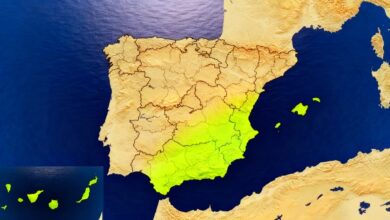
In the heart of Andalusia, where the mighty Guadalquivir River meets the Atlantic Ocean, lies one of Europe’s most significant and fragile natural areas. This UNESCO World Heritage Site is a living mosaic of ever-changing landscapes. Towering, shifting dunes—like frozen waves—stand alongside endless marshes, while dense Mediterranean forests give way to untouched Atlantic shores. Visiting this protected area is more than just a walk; it is an immersion into a world governed by nature, where humans are mere humble visitors granted a glimpse of eternity.
A world of contrasts: dunes, marshes, and forests
The main feature of this biosphere reserve is its incredible diversity, gathered within a relatively small area. Imagine golden sandy dunes, slowly yet relentlessly moving inland under the force of Atlantic winds, burying pines and reshaping the coastline. Some of these dunes rise over thirty meters high, creating an almost Martian landscape. Crossing them, you may find yourself on one of the wildest beaches in the country, where ocean waves crash against a shore untouched by civilization. The picture changes entirely deeper within the territory. Vast marismas—marshy lowlands—exist in their own rhythm. Depending on the season, they either dry up, revealing cracked salty earth, or fill with rain and river water, turning into a giant freshwater lake that becomes a home and dining hall for thousands of birds. And between these two worlds—sand and water—lie pine and cork oak groves, providing life-saving shade and coolness, and serving as a refuge for many mammals.
A realm of the Iberian predator and migratory birds
This area is renowned for its unique wildlife. It has become the last refuge for several endangered species. Here lives the largest population of the Iberian predator, one of the rarest wild cats in the world. Spotting it in its natural habitat is an incredible stroke of luck reserved for a select few, but even the thought of its unseen presence adds excitement and a special thrill to any walk. Soaring overhead is another symbol of these lands—the Spanish Imperial Eagle, a majestic bird of prey with a wingspan of up to two meters. However, the true spectacle that draws ornithologists from around the world unfolds during migration periods. This region serves as a key stopover for migratory birds traveling between Africa and Northern Europe. In autumn and spring, the marshes resound with the cacophony of geese, ducks, storks, and, of course, the graceful pink birds balanced on one leg. During these months, the area turns into a vibrant, multilingual metropolis for birds.
Five routes for explorers
To allow visitors to explore this remarkable world without disturbing its delicate balance, several well-developed trails have been created. One of the most popular and accessible is the circular La Rocina trail, stretching about four kilometers. It winds along the stream of the same name, with comfortable wooden observation towers placed along the way, offering a chance to watch waterfowl undisturbed. Another option, the Cuesta Maneli footpath, provides a completely different experience. It leads to the steep Asperillo cliffs. Just twenty minutes of leisurely walking on a wooden boardwalk, and a breathtaking view of the vast ocean and endless wild beach opens before you. For those interested not only in nature but also in history, the route to the Palacio de Acebrón is ideal. It passes through a dense, almost fairytale-like forest and leads to an old mansion, which now serves as an educational information center. There are also quieter options for those seeking solitude. For instance, a five-kilometer walk around the Laguna de Jaral, where you can quietly observe graceful herons. Or the four-kilometer Charco de la Boca trail, which plunges deep into the marshes, drawing an incredible number of birds at certain times of year.
How to Plan the Perfect Trip
Each of these routes reveals a unique facet of this multifaceted place, allowing you to truly appreciate its grandeur. To fully enjoy your trip, it is best to plan ahead. The optimal time to visit is in the spring, when everything is in bloom and the birds arrive, or in the autumn, during the return migration and milder weather. The main rule for all visitors is to respect the surrounding environment, as preserving this haven in its pristine state depends on each of us. And don’t forget your binoculars—they will certainly come in handy here.