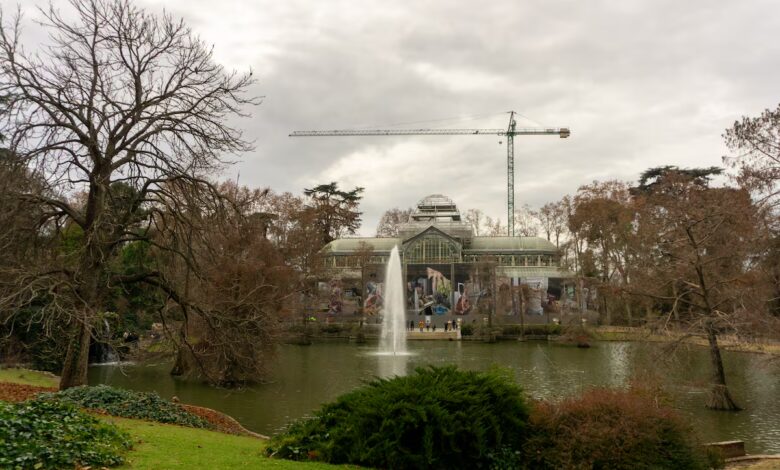
The sudden closure of nine major parks in Madrid, including El Retiro, has come as an unexpected blow to thousands of residents and visitors. The decision was prompted by the approaching storm Joseph, which meteorologists predict will bring strong gusts of wind and other hazardous weather conditions. For many city dwellers, this is more than just restricted access to their favorite leisure spots — it concerns safety, daily routines, and even the work of park employees.
City authorities decided to close all parks completely for the entire Tuesday to minimize risks to visitors and staff. The list includes not only El Retiro but also such popular areas as Parque del Capricho, the rose garden of Parque del Oeste, Juan Carlos I, Juan Pablo II, Quinta de Fuente del Berro, Quinta de los Molinos, Quinta Torre Arias, and Parque Lineal del Manzanares. Residents are being promptly informed through special panels at park entrances and via city online services.
Alert system
Madrid has a strict response protocol for extreme weather events, activated when certain thresholds for wind, soil moisture, temperature, and precipitation are exceeded. For El Retiro and other historic parks, a four-level alert system has been developed, ranging from green to red. Each level defines the degree of risk and possible measures, from partial restrictions on access to a full closure of the area.
Forecasts are made by meteorology specialists, who analyze the situation daily and send detailed reports to the municipality. Special attention is given to El Retiro: its size and unique tree composition require an individual approach. Interestingly, forecasts for the park may differ from citywide predictions, since local factors and the condition of the greenery are taken into account.
Risks to the trees
El Retiro covers 120 hectares and is renowned for its old, massive trees. In strong winds, these trees become particularly vulnerable: branches may break off, and trunks can even fall. This not only poses a risk to visitors but also creates a serious challenge for city services, who have to promptly inspect and deal with the aftermath of bad weather.
While the orange alert remains in effect, specialists cannot carry out a full inspection of the trees’ condition — it is simply too dangerous. As a result, the parks will stay closed until damage has been assessed and all necessary safety works have been completed. Authorities promise to provide further updates on reopening dates.
Technology and information
Modern technology allows Madrid residents to find out the real-time status of city parks. A dedicated geo-portal lets people track which areas are open and where access is restricted. This is especially important for those planning a walk or outdoor sports activities.
The introduction of such measures is not a whim, but a forced necessity. In recent years, Madrid has faced increasingly frequent and intense weather anomalies. City authorities have had to respond swiftly and decisively to prevent tragedies and preserve the capital’s unique green heritage. For many residents, these decisions spark debates and even disputes: where is the line between ensuring safety and imposing excessive restrictions?