Despite the growing popularity of electric vehicles, cars with petrol and diesel engines still dominate the roads of Spain. As of 2025, there are over 33 million vehicles in the country, most of which run on conventional fuel. With fuel prices for petrol and diesel constantly rising, saving money has become a key concern for Spanish drivers.
Many drivers are unaware that their everyday driving habits directly affect fuel consumption. Leaving the engine running during long stops is one of the most common mistakes. If the car is stationary for more than a couple of minutes, it is recommended to turn off the engine to avoid unnecessary expenses.
An overloaded trunk or cabin also increases the strain on the engine. The heavier the car, the more fuel it needs to move. That’s why it’s worth checking the vehicle regularly for unnecessary items and avoiding transporting excess weight.
Sudden acceleration and abrupt braking lead to extra fuel consumption. Smooth driving not only helps save petrol but also extends the lifespan of the vehicle.
Another important factor is tire pressure. Under-inflated tires increase rolling resistance, causing the engine to work harder. Regularly checking tire pressure can reduce fuel consumption and improve road safety.
Using air conditioning in hot weather is a necessity for many drivers in Spain. However, excessive use significantly increases fuel consumption. During the summer months, it is recommended to combine air conditioning with other ventilation methods to reduce engine load.
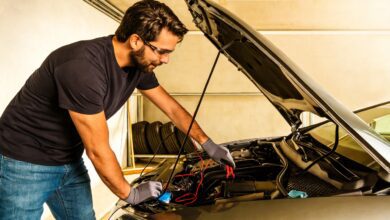
The technical condition of the vehicle also plays a key role. Clogged filters, engine malfunctions, and other issues lead to increased fuel consumption. Regular maintenance and timely replacement of consumables help avoid unnecessary expenses.
Aerodynamic elements, such as roof racks or open windows, increase air resistance, especially at high speeds. This results in additional fuel consumption. If not needed, it is better to remove external accessories and keep windows closed when driving on the highway.
If the check engine indicator lights up on the dashboard, it may indicate technical problems affecting fuel consumption. In such cases, it is recommended to visit a service center for diagnostics and repair as soon as possible.
The age of the car also matters. Newer models are equipped with more efficient engines and emission reduction systems, helping save fuel and reduce environmental harm. Older cars, on the other hand, consume more fuel and contribute more to air pollution.
The transition to electric vehicles in Spain is underway but gradual, with most drivers still using internal combustion engine cars. Following simple maintenance rules can help reduce fuel costs and make journeys more environmentally friendly.