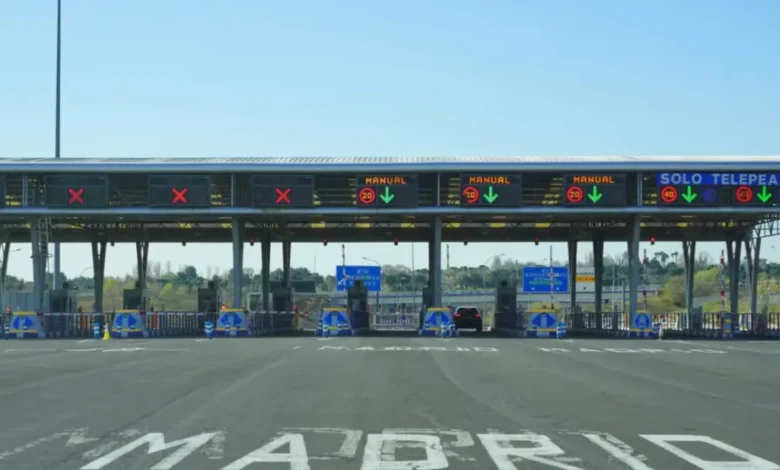
In 2025, new rules for motorists may be introduced in Spain: authorities are considering implementing a fee for driving on city streets. This initiative aims to reduce the number of cars in urban areas and lower harmful emissions.
Initially, the changes are expected to affect municipalities with populations over 50,000. However, the list may later expand to include cities with as few as 20,000 residents. Thus, the changes will impact not only major metropolitan areas but also medium-sized towns across the country.
The main goal of these measures is to support the transition to sustainable urban mobility. Authorities aim to encourage residents to shift to public transportation, bicycles, and other eco-friendly means of travel. Introducing a fee for city driving is seen as one way to limit private car use in city centers.
Although the sustainable mobility law has not been finalized yet, discussions are ongoing at the national level. The issue of introducing road charges remains unresolved due to recent political uncertainty. The project could be amended or even postponed if consensus cannot be reached in parliament.
In some regions of Spain, restrictions are already in place on vehicles entering low-emission zones. For example, in Madrid, Barcelona, and Sevilla, special areas have been designated where access is permitted only to eco-friendly vehicles or local residents. Such measures have been implemented in about 150 municipalities across the country.
In the Balearic Islands, particularly on Menorca and Ibiza, a fee has already been introduced for vehicles not registered on the islands. Drivers of such cars have to pay up to one euro per day to use the roads in these areas. In Palma (Palma de Mallorca), authorities are also considering a similar charge to reduce the number of vehicles, especially during the tourist season.
Introducing a fee for driving on city streets could be a significant step in tackling traffic congestion and air pollution. Authorities stress that such measures are necessary to improve quality of life in urban areas and comply with European environmental standards.
A final decision on the sustainable mobility law is expected in 2025. If the proposal is approved, municipalities will have the authority to set their own fees and procedures for collection. This will allow cities to respond flexibly to local needs and specific circumstances.
For now, motorists and city residents are closely watching developments, waiting to see how the new rules will affect daily life and the transportation infrastructure.