The future of Valencia’s southern part is once again in the spotlight due to the debate over transforming former railway tracks into a green corridor. The decision by the authorities will determine whether the city moves closer to European environmental standards or succumbs to pressure from motorists. For residents, this is more than just about urban improvement — it concerns health, quality of life, and urban identity.
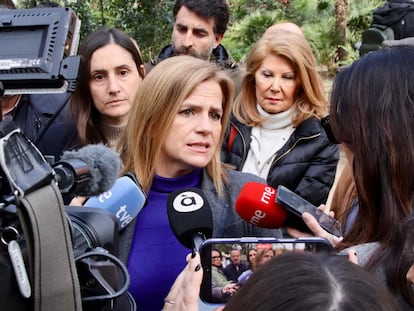
Pilar Bernabe, the government’s representative in the Valencian Community, has spoken out against the return of car traffic to the area designated for the future Federico García Lorca boulevard. She called on the city hall, and specifically María José Catalá, to listen to the majority of citizens and not ignore their stance. According to Bernabe, where the rails were removed, no new roads for cars should appear—only green spaces, which will become the city’s second pair of ‘lungs.’
City and residents: different perspectives
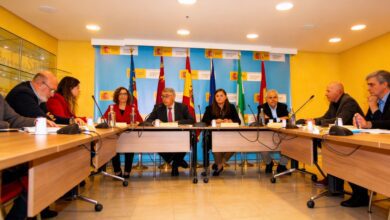
Bernabe’s meeting with representatives of the Corredor Verd de València platform showed that support for the green corridor idea is widespread: over 50,000 signatures have been gathered in support of the project. Leaders of neighborhood associations such as La Roqueta and Petxina expressed concern about the lack of transparency in discussions about the boulevard’s future. They pointed out that previous administrations had already opted for green space over roads, but the current authorities are once again considering bringing back car traffic.
Residents are demanding that the authorities open a full public debate where the Corredor Verd platform could present its proposals. Activists believe the process should be organized not by officials, but by the city’s own civic community. They are also awaiting the publication of a study on transport accessibility, which, according to the municipality, is already complete but has not yet been presented either to residents or the opposition.
Ecology versus transport
The Corredor Verd platform insists that when planning the future boulevard, it is essential to consider not only traffic flows but also the impact on noise, air pollution, and public health. The project should not be just another road, but infrastructure capable of transforming life throughout the city, just as the famous Turia Gardens once did.
Pilar Bernabe recalled that every year, hundreds of people die in Valencia due to air pollution. She stressed that the authorities’ responsibility is to create low-emission zones and protect the health of residents, not to increase the number of cars. According to her, investment in green spaces is an investment in the city’s future, not just an improvement of public areas.
City hall’s response sparks new debate
In response to the criticism, city planning councilor Juan Giner stated that currently, the construction of housing and the return of roads on the site of the former railway tracks have been approved. He noted that if people are going to live in these new homes, they will need car access, and he accused representatives of the central government of failing to understand the real needs of the residents.
Earlier, in 2021, the Compromís and PSPV administrations had already decided to create a green corridor covering nearly 50,000 square meters and stretching for a kilometer. The project called for minimal traffic—just access to residential buildings. The new corridor is intended to connect the southern districts of the city and lead to the renovated Turia riverbed.
Context and similar conflicts
Debates about city transport and green spaces are nothing new for Valencia. Recently, a dispute flared up between the city hall and the opposition party Compromís over street posters related to transport policy. The city authorities threatened fines for ‘pollution,’ while the opposition accused them of censorship and worsening the transport situation. You can learn more about the development of this conflict in the piece about the standoff surrounding Compromís’s street campaign.
In recent years, Spain has seen increasingly frequent debates over how to develop urban space: whether to prioritize cars or give preference to pedestrians and green zones. Madrid and Barcelona have already implemented large-scale projects to create pedestrian areas and reduce pollution levels. Valencia faces a similar choice, and the decision on García Lorca Boulevard may set a precedent for other cities in the country.