Volkswagen is changing the rules of the game in China: four world premieres tailored to local demands are set to headline the 2026 Beijing Auto Show. The German group is not only expanding its model lineup but also setting new standards in electric vehicles and digital technologies to strengthen its position in a region where competition between international and Chinese brands is becoming increasingly intense. For consumers, this means the arrival of affordable electric cars, new AI-powered features, and a rapid transition to advanced solutions in both mass-market and premium segments.
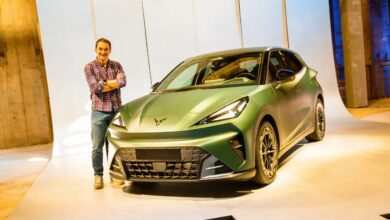
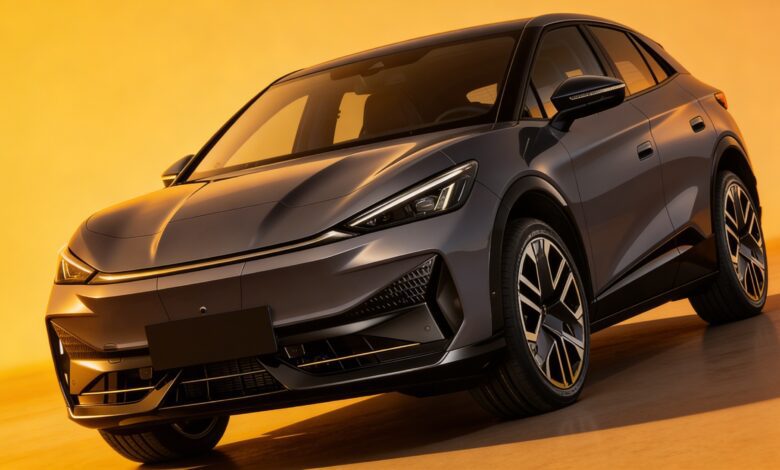
As part of its ‘En China, para China’ strategy, the company is focusing on local development and model adaptation. JETTA will unveil its first prototype of a fully electric vehicle aimed at the mass market. Volkswagen will introduce a new ID. UNYX electric car, developed in partnership with Xpeng, underscoring a commitment to collaborate with local tech companies. FAW-Volkswagen is launching the first model of its ID. AURA electric series, engineered on the China Electronic Architecture (CEA), which was designed specifically for Chinese drivers. AUDI, meanwhile, will showcase the design of the new E7X1—the second mass-produced model developed exclusively for China.
Technology and localization
The entire line of Volkswagen’s new models for China is centered around the integration of artificial intelligence and advanced driver assistance systems. The group’s vehicles are already equipped with sophisticated ADAS, providing support for highway and city driving, as well as automated parking. In the coming years, the company plans to implement solutions moving cars closer to higher levels of autonomy. This strategy not only meets the expectations of Chinese customers but also allows Volkswagen to surpass competitors in the speed of launching new features.
According to RUSSPAIN.COM, establishing its own research centers in China has enabled Volkswagen to shorten development cycles and respond more accurately to shifts in demand. In 2026, the group intends to launch more than 20 new electrified models on the market, including hybrids and extended-range vehicles. The update will also cover traditional gasoline versions to maintain brand appeal among diverse customer groups.
Pace of change
Volkswagen management emphasizes that in three years, the company has completely overhauled its product strategy for China. Starting in 2026, Volkswagen will launch a new car every two weeks—an unprecedented pace among European automakers. This rapid model renewal is made possible by close cooperation with Chinese partners and a flexible production process. As a result, customers gain access to cutting-edge technologies and solutions that until recently were considered out of reach for the mass market.
Special attention is given to user experience: Volkswagen cars can now adapt to the driver’s habits and preferences by leveraging artificial intelligence algorithms. This applies not only to multimedia systems, but also to climate control, navigation, and safety. New features are introduced faster than in Europe, allowing the group to maintain its lead in the technology race.
Premium segment and new challenges
The Beijing Auto Show in 2026 will showcase not just mass-market models but also premium offerings from the group. AUDI will unveil both electric vehicles and updated gasoline versions, while Porsche is set to present the electric Cayenne, expanding its presence in the luxury SUV segment. This strategy enables Volkswagen to compete with leading global and Chinese brands across multiple price categories.
As the Chinese market becomes increasingly technology-driven and demanding, the focus on localization and rapid adaptation has become a key advantage. According to Auto Bild, the group is not just launching new models, but building an entire ecosystem around its cars, including services, digital platforms, and integration with urban infrastructure. This approach not only helps maintain market share but also sets new industry standards.
Interestingly, this strategy of accelerated innovation can be seen in other fields as well. In sports, for example, unexpected forecasts and technological solutions often spark discussion, as was the case with the analysis of national teams’ chances at the 2026 World Cup, recently covered in the feature on the supercomputer predictions for the World Cup.
Volkswagen is one of the world’s leading automakers and has held a strong position in China for several decades. The company actively invests in local research centers, partners with domestic tech firms, and adapts its products to the specifics of the Chinese market. This strategy not only sustains high sales but also sets trends in the automotive industry, with an emphasis on electrification, artificial intelligence, and integration with digital services. Such an approach enables Volkswagen to remain a major player in the rapidly evolving automotive landscape in China.