Lugo Elects New Mayor: 27 Years of Left Rule End After Transfer Vote. For the first time in 27 years, power in Lugo has shifted to the PP. The decision comes amid protests and allegations of political opportunism. The new mayor was elected thanks to the vote of a former Socialist.
A new era has ended in Lugo: for the first time in 27 years, the city has a representative of the Partido Popular as its head. At an extraordinary session of the municipal council, Elena Candia, the PP leader in the province, was appointed mayor. The decisive vote came from María Reigosa—a former socialist who joined the council just six months ago after the death of three PSOE deputies. It was her support that ensured Candia's victory by the narrowest margin.
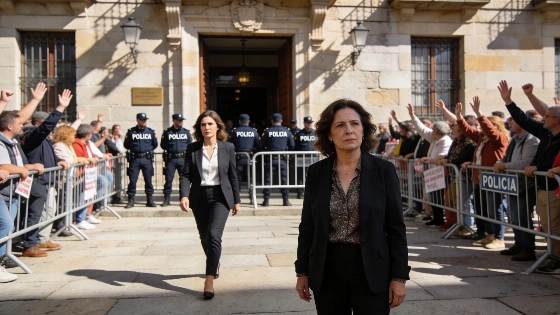
The change of power was met with mass protests outside city hall. Opponents accused the PP of exploiting tragic circumstances and called the events "a political maneuver on pain." Former mayor Miguel Fernández, who represented the PSdeG, publicly condemned his rivals' actions, emphasizing that such a transfer of power is "morally unacceptable" and undermines trust in the office of the mayor.
The role of the transferee and party reactions
María Reigosa, formerly a member of the socialists, became the decisive figure in the vote. Her switch to the PP triggered a wave of criticism and accusations of transfuguismo. Inside the Partido Popular, they avoid this term, preferring to call it an "impulse motion." The party leadership, including Xunta president Alfonso Rueda, insists on the legitimacy of the procedure and demands respect for democratic processes. Rueda recalled that a similar change of power occurred at the national level in 2018, when Pedro Sánchez became prime minister through a motion of no confidence.
In response to the accusations, the PP points to recent agreements between the socialists and former PP members in other municipalities, particularly in Noia (A Coruña). Representatives of the BNG and PSdeG, who previously formed a coalition in Lugo, reported pressure on deputies and rising tensions in the city. PSdeG leader José Ramón Gómez Besteiro reminded that the PP's statutes provide for serious sanctions for collaborating with defectors to alter the balance of power.
Arguments of the parties and historical context
Elena Candia, who has taken over the city, explained the need for the motion by citing instability in the previous coalition and management issues. Among the complaints are labor disputes with municipal employees, inefficient improvement projects, and improper use of funds. In the past, Candia already held the post of head of the provincial Deputation, also thanks to the support of a former socialist, but that alliance lasted only three months.
The situation in Lugo is not unique: in recent decades, this is already the third case where a former socialist's switch to the right led to a change of power. Similar episodes were recorded in the 1980s and in 1991. The question of whether such alliances are acceptable remains a topic of debate at all levels of Spanish politics. In other regions of the country, similar conflicts are also causing a stir—for example, disputes between authorities and the opposition over social spending were recently discussed in Málaga, as noted in the material on the position of the head of Andalusia.
What's next
The PP accuses its former coalition partners of attempting to pressure council members and fuel conflicts in the city. Meanwhile, the opposition insists on the need to review the rules governing party switches within municipal councils. In the coming months, Lugo faces a period of political restructuring and possible new alliances, as the situation remains tense.