A global study finds that abandoned farmland is typically left untouched for only 14 years—far short of the 50 years needed to restore carbon and biodiversity. The findings come as Spain prepares its national restoration plan ahead of the EU’s 2026 deadline.
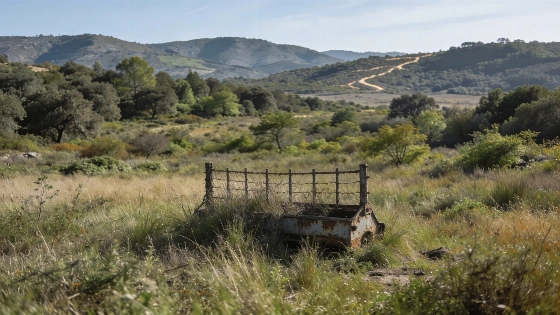
Most abandoned farmland is left to recover for just 14 years, but new research shows that’s not nearly enough time for nature to bounce back. According to a study published in Science Advances, fields need at least 50 years without cultivation to regain levels of carbon storage and biodiversity similar to those found in undisturbed ecosystems.
The international team tracked 11 regions across four continents, using satellite imagery from 1987 to 2017 to monitor how long agricultural land remained fallow. On average, fields were left untouched for 14 years before being recultivated. In some areas, such as the former Soviet Union, the rate of returning land to farming was especially high. In contrast, Chinese provinces like Shaanxi and Shanxi saw longer periods of abandonment, a trend linked to government incentives for reforestation under the Grain for Green program.
Carbon Losses from Recultivation
The study found that about half of abandoned farmland is likely to be farmed again within 30 years. This pattern has significant consequences: recultivation reduced the amount of carbon stored in the soil by 35% compared to land left to regenerate. The researchers stress that the first decade of abandonment is not enough for mature habitats to form, and that short-term fallow periods do little to restore lost biodiversity or carbon reserves.
Why Incentives Matter
Rather than advocating for widespread abandonment of productive land, the authors suggest targeted protection of fields that are not essential for food production. They recommend compensating landowners for ecosystem services or encouraging sustainable farming methods that maintain soil health. The experience in China shows that public incentives can extend the period of land recovery, but the study cautions against assuming that the same timelines apply everywhere. Each country must weigh food security, rural incomes, and monitoring capacity when designing restoration policies.
Spain Faces EU Restoration Deadline
Spain, like all EU member states, is required to submit a draft national restoration plan by September 1, 2026, under the European Nature Restoration Regulation. The EU aims to restore at least 20% of its land and sea areas by 2030, with specific targets for soil carbon, farmland birds, and landscape diversity. Spain’s Ministry for the Ecological Transition (MITECO) is leading the process, which includes public consultation and the identification of priority zones, funding, and monitoring measures. The Princeton study’s findings serve as a timely reminder: true restoration demands decades of commitment, not just a pause in farming.
Efforts to restore degraded land are gaining momentum across Europe, but the challenges are complex. As highlighted in a recent report on the rewilding of the Sahara, not all ecological interventions deliver the dramatic results that headlines sometimes suggest. For example, claims that hundreds of tortoises have transformed the desert have been questioned by scientists, as detailed in this analysis of rewilding myths.
For Spain, the path to meaningful land restoration will require careful planning, long-term vision, and a willingness to invest in both nature and rural communities. The next two years will be critical as the country shapes its response to the EU’s ambitious targets.