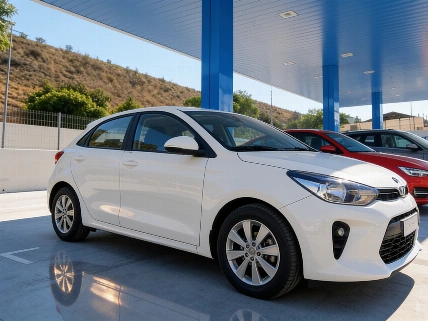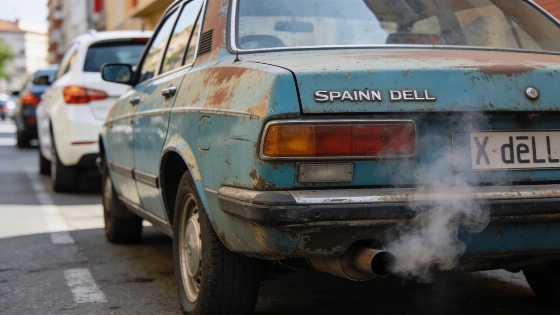
Spain’s car fleet is getting older and dirtier. Vehicles more than 15 years old now account for nearly half of all emissions, raising urgent questions about scrappage rates and the country’s environmental future.
Cars that should have been retired years ago are now the main source of Spain’s rising vehicle emissions. The latest report from Solera shows that vehicles older than 15 years are responsible for 43% of all emissions from the national fleet, highlighting the environmental cost of keeping old cars on the road.
The numbers have shifted quickly. In 2016, just over a quarter of vehicles were more than 15 years old. Now, that share has jumped to 47%. Nearly half of all cars, SUVs, and light commercial vehicles in Spain are well past their prime. The total fleet has grown to over 30 million vehicles, with about 300,000 added each year. According to official data from the DGT and industry sources, the average age of Spain's vehicle fleet reached 14.6 years by 2025. There are now more than 37 million vehicles registered in the country, and about 29 million of them are older than nine years. This aging trend affects not just passenger cars but other types of vehicles as well.
Solera’s analysis, presented at the Posventa Iberia congress in Ávila, points to a clear problem: old cars are not being scrapped fast enough to balance out new registrations. As a result, Spain now has one of the oldest car fleets in Europe, behind only the Czech Republic, Poland, Romania, and Greece, where the share of vehicles over 15 years old is even higher. On the used car market, vehicles older than 15 years make up more than 40% of private sales. The average age of cars changing hands between individuals is now 15 years, according to sector data.
Diesel vehicles still dominate Spanish roads, making up 56% of the fleet. Gasoline cars account for 34%. Electric cars are rare at just 1%, and hybrids—despite leading new registrations—make up only 9% of vehicles in use. Chinese brands, though growing in sales, still represent less than 1% of the total, while European manufacturers hold 80%. Notably, diesel’s share in new car sales has dropped to just 3.5% as of August 2026, showing a disconnect between the aging fleet and the types of cars now being sold.
For the aftermarket sector, this trend is a mixed bag. José Luis Gata, Business Development Manager at Solera, explains: "In Spain the vehicles are going to the scrapyard later and later, meaning people keep them longer. Environmental labels have highlighted the issue, but the response has been incomplete. These older cars bring little benefit—certainly not to the aftermarket, since they are repaired minimally, generate low profitability, and carry only basic insurance policies."
The impact goes beyond emissions. Old, poorly maintained vehicles are more likely to fail technical inspections, as reported earlier. This pattern links environmental and safety risks: outdated cars undermine both air quality and roadworthiness. Official sources say nearly 19% of vehicles fail their first technical inspection (ITV). In Murcia, the average fleet age reached 15.5 years in the first half of 2026, with more than half of vehicles older than 15 years.
Spain’s continued reliance on diesel and the slow adoption of electric and hybrid vehicles make the problem harder to solve. Environmental labels have drawn attention to the issue, but without effective scrappage incentives, the country is falling behind in modernizing its fleet. The data from Solera and official statistics are clear: unless scrappage rates increase and cleaner vehicles become more common, Spain’s roads will remain dominated by aging, polluting cars. The industry faces a choice—either address the problem directly or accept that both environmental and economic costs will keep rising.