Foreign Minister José Manuel Albares did not appear in the Senate to address the Ceuta border incident. The absence triggered sharp criticism from opposition parties. The government insists ministers will report to Congress later this month.
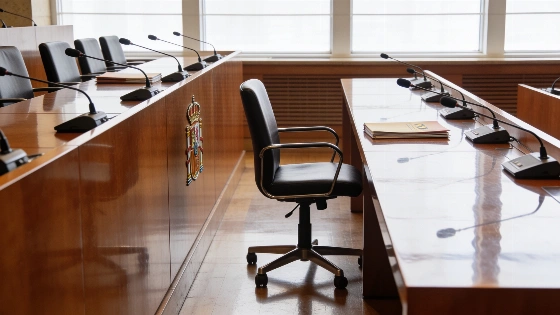
Foreign Minister José Manuel Albares failed to attend a Senate session scheduled to address the mass entry of migrants into Ceuta on July 30, intensifying the ongoing dispute between the government and opposition parties. While Albares was expected in Madrid, he instead visited the Casa Asia construction site in Barcelona at the same hour, leaving his Senate seat conspicuously empty. The absence mirrored a similar situation days earlier, when Interior Minister Fernando Grande-Marlaska also did not appear for questioning.
The session, chaired by Pilar Rojo of the Partido Popular (PP), quickly became a focal point for criticism. Rojo denounced what she described as the government's disregard for the Senate's oversight role, highlighting the lack of both Albares and PSOE senators. Opposition groups PP, Junts, and Vox repeatedly pressed the same unresolved question: “¿Qué falló el 30 de julio que no falló el 15 de agosto?”—seeking clarity on why the border breach occurred in July but was prevented in August.
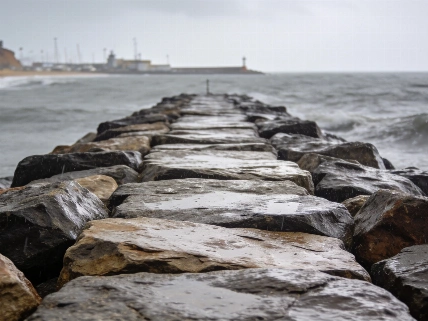
The PP, holding a Senate majority, has insisted that ministers from Pedro Sánchez’s cabinet appear in August to explain the origins and consequences of the Ceuta crisis, which saw an estimated 80,000 people cross the border in a single day. After Marlaska’s absence last week and Albares’ no-show on Monday, Defense Minister Margarita Robles is expected to be summoned next. The government, through Secretary of State Rafael Simancas, maintains that ministers will provide explanations in Congress at the end of the month, arguing that the lower house takes precedence in such matters—a point the PP disputes, citing legal ambiguities and their own political leverage in the Senate.
Rojo allowed a six-minute grace period before confirming Albares would not attend, as previously indicated by government sources. The PP justified the urgency of the Senate inquiry by pointing to the negative international image resulting from the July 30 events, which Rojo described as an “invasion.” She accused the Sánchez government of systematically sidelining the Senate and failing to meet its legal obligations under the Spanish Constitution and Senate regulations. Rojo also suggested that the Senate’s governing body, controlled by the PP, could consider actions against Albares for his absence.
PP spokesperson José Antonio Monago focused on the political implications of Albares’ empty chair, reiterating the central question about the differing outcomes on July 30 and August 15. Monago argued that Morocco demonstrated its ability to control the border in August, demanding explanations from Albares and the government about what changed between the two dates. He raised further questions about the Spanish government’s communications with Morocco and the intelligence services, hinting at possible negotiations with Rabat to prevent future incidents. While Monago acknowledged a “preventive success” on August 15, he rejected the idea that this proved the government’s effectiveness, insisting that the situation was far from normal.
Junts and Vox echoed the PP’s concerns, each adding their own perspective. Junts senator Eduard Puyol criticized Albares’ absence, arguing that the Ceuta crisis is a European issue with implications for Catalonia and beyond. He accused the government of mishandling immigration and leaving the border vulnerable. Puyol clarified that his defense of Ceuta’s sovereignty was not nationalist, but rooted in concerns about security and the broader impact of uncontrolled migration. Vox senator Javier Alonso condemned the absence of PSOE senators and accused the government of weakness toward Morocco, labeling the neighboring country a “narcoestado.” Vox again called for legal action against President Sánchez, accusing him of betrayal.
According to public records, the Senate’s role in government oversight is defined by Article 110 of the Spanish Constitution and the Senate’s own regulations. The current standoff highlights ongoing tensions between the two chambers of parliament and the government’s approach to crisis management. The Ceuta incident has drawn attention to Spain’s border security and the political stakes surrounding migration policy. The debate over ministerial accountability in the Senate is likely to continue as further hearings are scheduled and the government prepares its official response in Congress.