La Pregonera, a digital venture from Jaén, reinvents the classic bata as a badge of dignity for rural Andalusian women. The project blends fashion, technology and oral history, spotlighting a generation often overlooked by the industry.
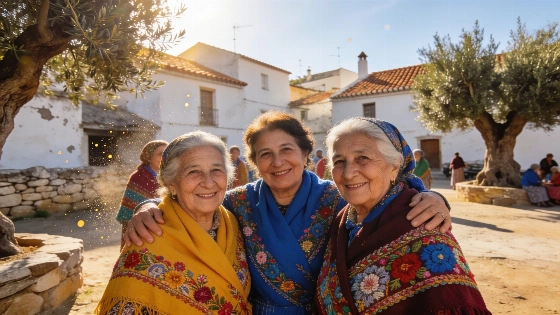
In Jaén, a new initiative is challenging the invisibility of older rural women in Spain’s fashion and cultural landscape. La Pregonera, founded by Yolanda Sáenz de Tejada, is transforming the humble bata—a staple garment for generations—into a symbol of recognition and pride for women who have long been the backbone of Andalusian villages and towns.
The project stands out for its focus on women over 65, a demographic that, according to Spain’s National Statistics Institute, numbers over 10 million but remains largely absent from mainstream fashion campaigns and commercial offerings. La Pregonera addresses this gap by designing sustainable, comfortable batas in sizes ranging from S to 3XL, each named after a real woman whose story is woven into the brand’s narrative.
Among the women featured is Ana Vázquez, 85, from Huelva, who spent decades raising seven children and managing a large household in Andújar. Her story, like those of many others, is now being shared through La Pregonera’s videopodcasts and digital content, which are recorded in the homes of the protagonists. These audiovisual pieces not only document personal histories but also serve as a living archive of rural female memory.
Another face of the project is Carmen Cordón Jiménez, 86, from Cuevas Bajas (Málaga), who became a local celebrity after appearing in one of the first videopodcasts. Despite mobility challenges, Carmen maintains her daily routine of meeting neighbors on a bench overlooking the village, embodying the resilience and community spirit that La Pregonera seeks to honor.
The company’s approach goes beyond online sales. La Pregonera organizes events in municipalities across Spain, where local women are celebrated through public tributes, fashion shows, and the recording of new stories. These gatherings highlight the social and cultural heritage of each community, bringing visibility to women whose contributions have often gone unrecognized.
Notable supporters include Luisa Ciezar Sánchez, 97, from Málaga, who remains active and independent, and Paquita Santamaría Huidobro, 90, originally from Burgos and now a long-time resident of Vélez-Málaga. Both women exemplify the project’s mission: to showcase the strength, creativity, and longevity of rural Spanish women.
Each bata is handmade in Andalusia by women, for women, and every order is delivered with personalized packaging and a letter from one pregonera to another, reinforcing the sense of shared experience and mutual respect. The project’s founder, Sáenz de Tejada, is recognized for her work in female leadership and has received several awards, including the Premio Iris 2025 and the Premio Especial REM.
La Pregonera’s headquarters are located in a small village in the Sierra de Segura, a region that inspires much of the brand’s ethos. The founder’s vision was shaped during her studies in Madrid, where she chose to focus on rural women rather than pursue a conventional fashion career. This commitment to local heritage and innovation is echoed in other sectors of Andalusia, such as the region’s push for sustainable energy solutions, highlighted in recent developments like the launch of high-efficiency aerothermal water heaters for homes and businesses.
Spain’s rural areas have seen a renewed interest in preserving traditions while embracing new technologies. Projects like La Pregonera not only provide economic opportunities for women but also help combat depopulation and social isolation in small communities. The bata, once an “invisible uniform,” is now a visible statement of dignity and belonging, connecting generations and regions through shared stories and craftsmanship.
As Spain continues to grapple with demographic shifts and the challenges of rural life, initiatives that blend tradition, entrepreneurship, and digital innovation are gaining ground. La Pregonera’s model demonstrates how fashion can serve as a vehicle for social change, offering both recognition and practical support to women who have shaped the country’s rural identity.