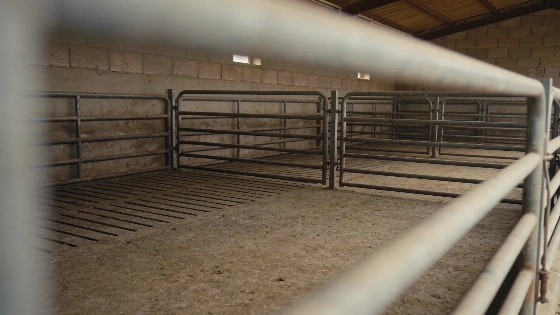
Footage recorded by Fundación Igualdad Animal in late October showed dead piglets and young pigs in pens with live animals at a farm in Tauste, Zaragoza. The organisation also reported piglets dead in slurry pits beneath the farrowing and rearing areas. It described a sow with a large open wound and another pig with an inflamed or injured face. The Aragón government later reported that the farm had no animals left and had been immobilised.
The Department of Agriculture, Livestock and Food said no pigs could enter while the investigation continued, and that closure was under consideration. It said the establishment was rented and had no live animals when it issued its statement. The government said the investigation was ongoing and that it would decide on measures based on its findings. It did not say what had happened to the animals or identify the farm’s operator.
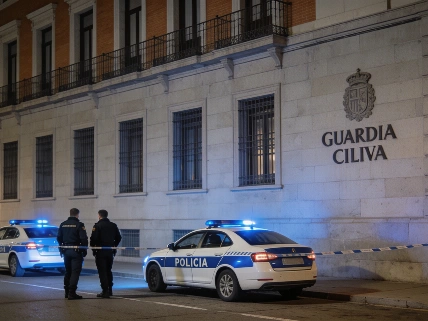
On 13 November, officers from the Guardia Civil’s Servicio de Protección de la Naturaleza (Seprona) visited the farm alongside official vets from the Oficina Comarcal Agroambiental (OCA). The inspection followed a complaint by Igualdad Animal, which had submitted footage of the conditions it documented. The department said it had known about the situation since the complaint reached the OCA, and that the investigation would determine any further measures. The Guardia Civil confirmed that an investigation was under way to establish possible responsibilities.
The farm is in the Tras Arba area of the Cinco Villas comarca and produces piglets. Igualdad Animal described its capacity as approximately 600 breeding sows; that figure is the farm’s stated capacity, not a count of animals present when the footage was recorded. The footage also showed piglets dead in slurry pits beneath the farrowing and rearing areas. It showed a sow with a large open wound and another pig with an inflamed or injured face. The organisation reported accumulations of excrement and rodents in the buildings. The Aragón government said the images were one indication in the inquiry, and that the presence of carcasses alone did not establish neglect or a breach of animal-welfare requirements.
Igualdad Animal asked officials to examine live animals and treat those injured, conduct post-mortems to determine causes of death, and review the farm’s records. Those records cover mortality and daily inspections, as well as veterinary treatment and carcass removal. Spain’s minimum rules for pig protection require animals to be inspected at least once a day, with sick or injured animals treated without delay. Under Law 32/2007, breaches can lead to fines of up to €100,000, cessation of activity or closure. The farm remained immobilised during the inquiry. The Guardia Civil investigation was ongoing, and no final administrative sanction or criminal finding had been announced.
The Tauste complaint came amid other reported cases in Aragón. In February, Igualdad Animal published findings from nine farms in Zaragoza and Teruel, including injured and sick animals, piglets in distress, carcasses beside live animals and mutilations. Zaragoza’s provincial agriculture service declined to open a sanctions case despite the video material, and the organisation appealed. In an answer to a parliamentary question from Chunta Aragonesista, the regional government said that carcasses on a farm did not by themselves establish neglect or a failure of animal welfare. In March, this newspaper published footage from ARDE showing injured animals and carcasses at a pig farm in Castellote, Teruel. A separate RUSSPAIN report covered a Valencian vets’ proposal on veterinary public-health training.