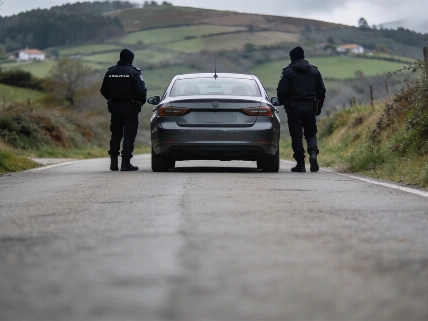
Arizona now treats riding a motorcycle between moving cars as reckless driving with criminal penalties. In contrast, Spain allows motorcycles to use the shoulder under strict conditions, aiming to protect riders in traffic jams.
Arizona bikers face a new reality. Lane splitting—riding a motorcycle between moving cars—is now officially reckless driving. The law changed on September 12, 2026. Police can stop riders for weaving through traffic. A conviction means a class II misdemeanor, a criminal record, and a fine. That’s not just a ticket. It sticks for years. Local legal experts and KJZZ confirm these changes in Arizona’s traffic code.
The new rules are clear. Section 28-693 now bans passing or overtaking in the same lane as another vehicle. It also forbids riding a motorcycle between lanes or rows of cars. The message is simple. Lane splitting is banned. The penalty is tough. In the US, a misdemeanor follows you long after you pay the fine. Rider Justice reports that a class 2 misdemeanor in Arizona can bring a $750 fine and a permanent criminal record. That’s much harsher than a regular traffic ticket.
From January 2027, Arizona will require a valid motorcycle license or endorsement to renew motorcycle registration, adding another layer of regulation for riders.
But Arizona’s law isn’t total. There’s a narrow exception for lane filtering. Riders can move between cars only when traffic is completely stopped. Even then, the rules are strict. The road must have at least two lanes going the same way. The speed limit can’t be over 45 miles per hour—about 72 km/h. The motorcycle can’t go faster than 15 miles per hour, or 24 km/h, during the move. Go faster, or try it on a faster road, and you risk a criminal charge. Multiple independent sources confirm this. Arizona has allowed limited lane filtering since 2022, but the new law draws a hard line between filtering and splitting.
Spain takes a different route. The DGT lets motorcycles use the shoulder, but only in special cases. It’s not open season. Riders can use the shoulder only during heavy traffic jams and only at low speeds. The general ban on shoulder riding still stands for normal traffic. The goal is to keep bikers out of the most dangerous spot—the back of the line, where rear-end crashes happen. Official DGT materials spell out the rules. The shoulder is allowed only on marked sections, at speeds up to 30 km/h, and only for single riders.
The two systems couldn’t be further apart. Arizona enforces strict lane discipline, even if it means bikers are stuck in jams. Spain sees the risk for riders boxed in between cars and gives them a way out. The numbers back up Spain’s approach. Stationary motorcyclists often get hit from behind in city traffic. Letting them move forward cuts both risk and congestion. Spanish traffic authorities say the point is to lower danger for bikers in long lines—not to let them ride the shoulder whenever they want.
The legal distinction between lane splitting and lane filtering is crucial: while Arizona has criminalized lane splitting as reckless driving, it still allows lane filtering under strict conditions—only when traffic is stopped, on roads with at least two lanes in one direction, and at speeds below 15 mph. This nuanced approach is confirmed by analyses of the amended A.R.S. § 28-693 and fiscal notes from the legislative process.
For Spanish riders, the difference is a warning. What’s legal at home could be a crime abroad. Motorcycle rules aren’t the same everywhere. Even in the US, each state sets its own laws and penalties. Riders should always check local rules on shoulder use and lane filtering before crossing borders. As reported earlier, Spain’s own driving test system faces questions about how well it prepares new drivers for these realities.
Arizona’s crackdown draws a hard line on motorcycle moves. Spain’s system tries to balance order with safety. For anyone on two wheels, one thing is clear. Never assume the rules are the same everywhere. When in doubt, waiting in traffic is safer than risking a criminal record.