Behobia-San Sebastián race brings road restrictions on Sunday
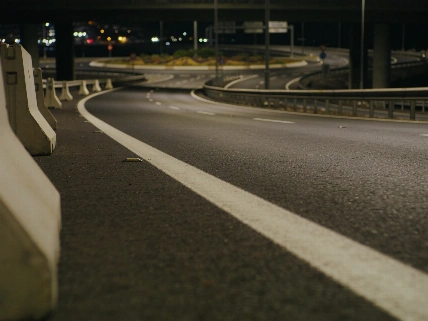
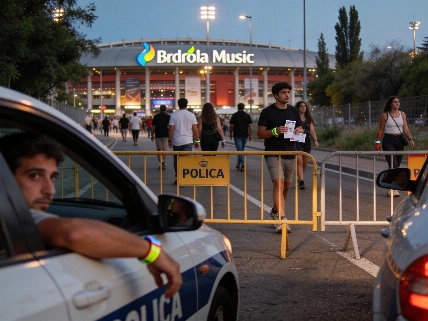
More than 29,000 people are registered for the 61st Behobia-San Sebastián race on Sunday, 8 November. Traffic restrictions begin at 06:30 and will remain in place until the race ends.
More than 29,000 people are registered for the 61st Behobia-San Sebastián race on Sunday, 8 November. Traffic restrictions begin at 06:30 and will remain in place until the race ends.
Madrid will close the A-5 connection with the M-30 from 10 November to 23 December. The 43-day restriction will divert traffic to surface routes as the final tunnel works are completed.
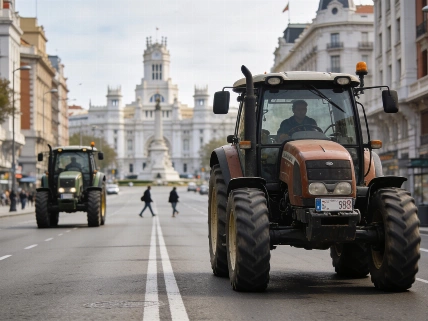
Madrid expects 500 tractors on Wednesday, 28 October, as agricultural groups stage a march. The columns will meet at Plaza de Colón at 11.00 and continue to the Agriculture Ministry, with disruption expected from early morning.
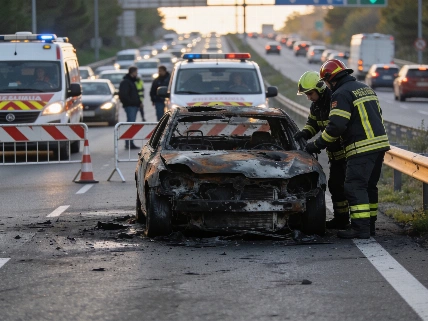
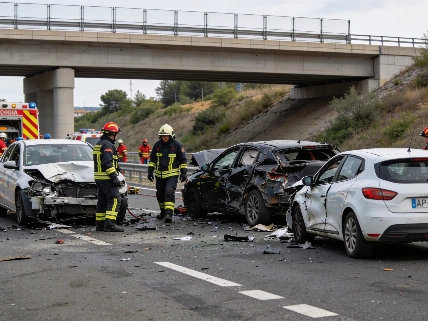
A car burst into flames on the M-40 near El Pardo as a chain collision in the opposite lane left two people with minor injuries. Emergency crews responded rapidly, closing lanes and causing major delays for drivers.
Gran Vía will close to traffic from 15:00 to 22:00 this Sunday, 4 October, for Madrid's Hispanidad parade. Metro entrances, bus routes, parking areas and several central streets will also face restrictions.
In 2010, a stretch of Chinese highway turned into a 100-kilometer parking lot for nearly 12 days. Thousands of drivers were stranded, facing shortages and soaring prices for basic goods as the world’s longest traffic jam exposed the limits of overloaded infrastructure.
Rental car drivers in Andalusia sharply increased their speeding this summer, even as most of Spain saw a dramatic decline. New telematics data reveals a regional spike in risky driving that bucks the national trend.
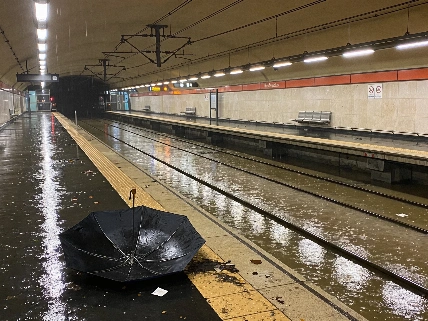
Floodwater has closed roads and disrupted air and rail services across Barcelona province. Flights and trains were suspended as several rivers reached risk levels.
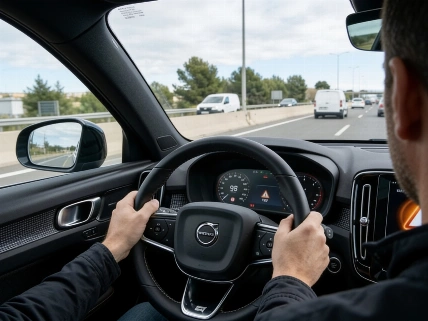
Adaptive cruise control promises safer distances but can also lead to abrupt braking and shifting traffic patterns. As more drivers rely on the technology, its effects on road behavior and congestion are coming into focus.
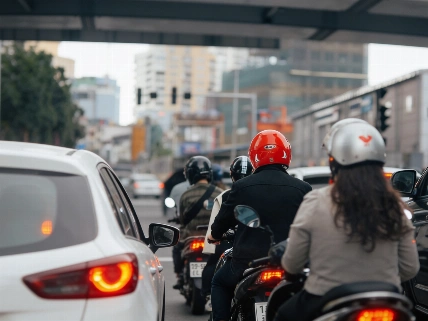
Arizona now treats riding a motorcycle between moving cars as reckless driving, with criminal penalties. Spain, by contrast, allows motorcycles to use the shoulder under strict conditions designed to protect riders in traffic jams.
Madrid’s streets will be a maze of closures this Saturday as protests, sports events, processions, a film shoot and Shakira’s concert converge. The city urges drivers to avoid affected areas and rely on public transport.
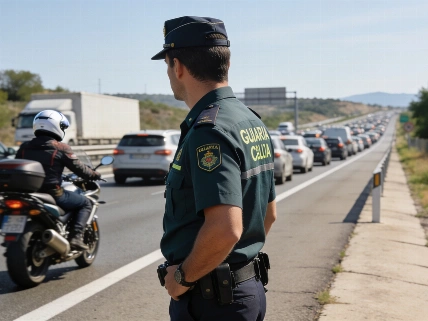
Spain’s new traffic regulation allows motorcycles to use the hard shoulder during congestion, but the Guardia Civil has said it will not monitor the DGT’s 30 km/h speed limit. The disconnect between the law and its enforcement leaves riders and drivers facing new uncertainties.
Motorcycles are crowding Spanish roads, while city layouts still favor cars. Riders and industry leaders are calling for dedicated lanes and updated rules as daily commutes become a fight for space.
Valladolid’s decision to remove basic bike and bus lanes has driven a sharp rise in city traffic, reversing years of decline under previous sustainable transport policies. New data shows what happened after the city prioritized private vehicles over alternative mobility.
Baleares leads Spain in driver stress linked to traffic jams, with 40 percent of local drivers citing congestion as a major source of tension. New data highlights the islands' reliance on private cars and the rising cost of daily commutes.
A violent storm brought flash floods and major transport disruptions to Barcelona. Metro and road services, along with the airport, faced severe interruptions as emergency crews responded to hundreds of incidents across the city.
Madrid will close basic roads and boost public transport for Shakira’s 12-night concert run in Villaverde. Residents should expect detours and delays as 57,000 fans arrive each night. Free shuttles and extra metro service are planned.
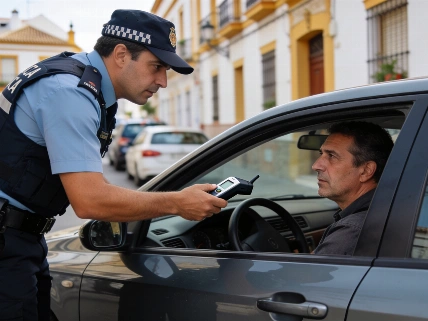
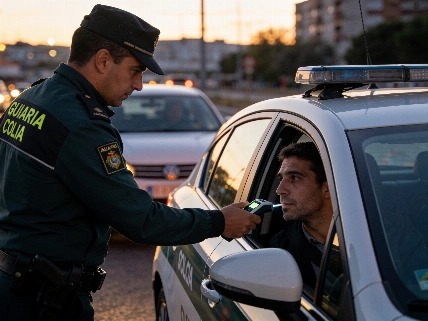
A driver in Castilleja de la Cuesta was caught with four times the legal alcohol limit. He said vinegar in his gazpacho caused the result. Police reported dangerous driving and several violations before stopping him.
From October 2026, motorcycles in Spain will be permitted to use certain right hard shoulders when traffic is at a standstill. The change comes with strict requirements, including a 30 km/h speed limit and mandatory signage.
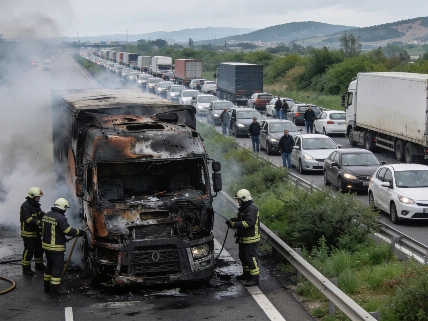
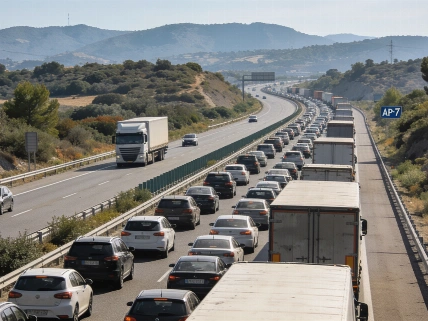
A truck fire on the AP-7 near Cerdanyola del Vallès brought traffic to a standstill for 13 kilometres. Emergency crews are working to control the blaze. Nearby routes and Barcelona’s Ronda Litoral are also heavily affected.
A minor has been detained in Balaguer, Lleida, in connection with a man's violent death. The arrest follows a car accident in August. Authorities have withheld further details as the investigation continues.
The size of a traffic sign in Spain is more than a matter of design. Regulations specify three sizes, chosen to support safety and visibility information from the speed limit and type of road. Here’s how the system works, and why it matters.
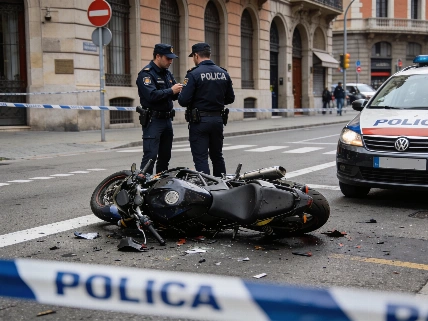
A 38-year-old motorcyclist died after being struck by a car in central Barcelona. The driver fled the scene but was later apprehended. Authorities are investigating several alleged offenses, including reckless homicide.
The DGT’s V27 signal is set to change road safety in Spain, but only drivers with newer, connected vehicles will benefit immediately. Older cars will be left out until the fleet is renewed.
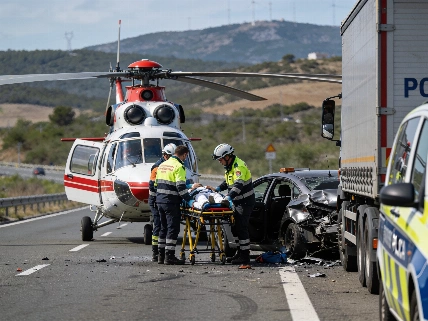
A collision between a car and a truck on the A-21 in Loiti left one person seriously injured. The victim was airlifted to Hospital Universitario de Navarra. Traffic disruptions continue as emergency teams work at the scene.
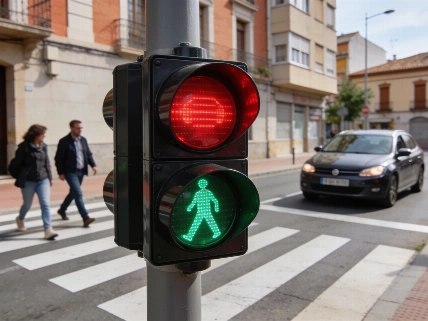
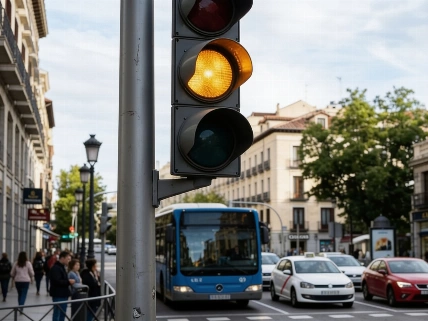
From October, Spain’s urban traffic lights will operate under new rules. The DGT aims to reduce risks for pedestrians and cyclists, ending a long-standing ambiguity at crossings.
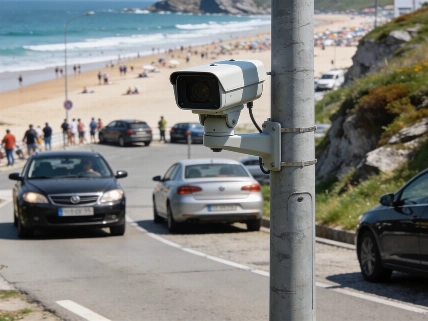
On August 12, Asturias launched a pioneering system with the DGT to track traffic at 16 beaches in real time. Timed to coincide with the solar eclipse, the initiative aims to improve mobility management and could shape future emergency and tourism planning.
A serious crash involving three cars forced the closure of the AP-7 towards Barcelona at El Papiol. Emergency services responded with multiple units, while impressive delays and traffic jams developed in the area.
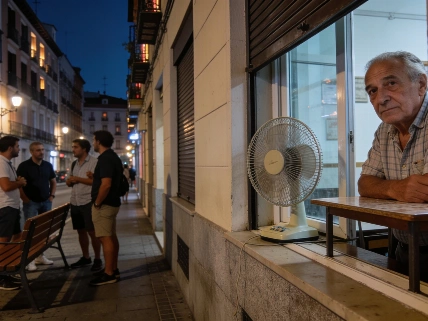
Central Madrid’s summer brings sleepless nights for residents. Street gatherings and construction bring noise, while parking fines and tourist crowds make daily life difficult. Locals struggle to find relief as city life intensifies.
From 1 October, Spain will change how traffic lights operate. The DGT will bar vehicles from facing a flashing amber light while pedestrians have a green light, aiming to reduce confusion and improve safety at crossings.
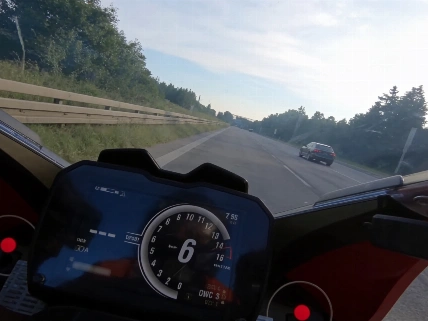
A viral helmet-cam video shows a Ducati Panigale V4 accelerating past 300 km/h on a busy public road. The footage has sparked fierce debate over road safety and calls for legal action against the rider.
Catalonia may reintroduce tolls on the AP-7 to tackle heavy congestion and frequent accidents. Authorities plan to review options this autumn, when a new working group will assess strategies for the region’s busiest motorway.
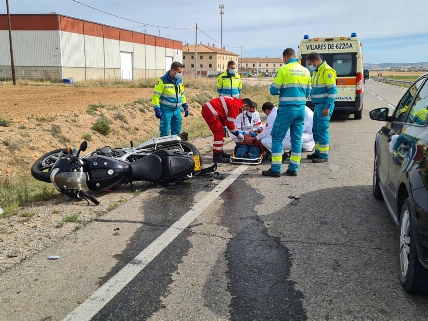
A man in his 30s died after a motorcycle and a car collided on the N-620A in Villares de la Reina. Emergency services confirmed his death at the scene. The crash adds to ongoing road safety concerns in the region.
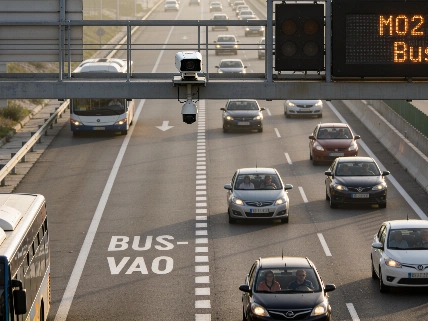
Madrid's A-2 now has a dynamic Bus-VAO lane, restricting access during peak hours to vehicles with at least two occupants. Drivers who ignore the rules risk a €200 fine as the DGT enforces new surveillance measures. The system aims to ease congestion and speed up commutes.
Spain’s Interior Ministry is pressing to lower the legal blood alcohol limit for drivers before the current legislative term ends. The measure faces resistance in Congress but aims to reduce road deaths, with the DGT and victims’ groups backing the change.