Baleares tops Spain for driver stress linked to traffic jams, with 40 percent citing congestion as a major source of tension. New data reveals the islands' unique reliance on private cars and the mounting costs of daily commutes.
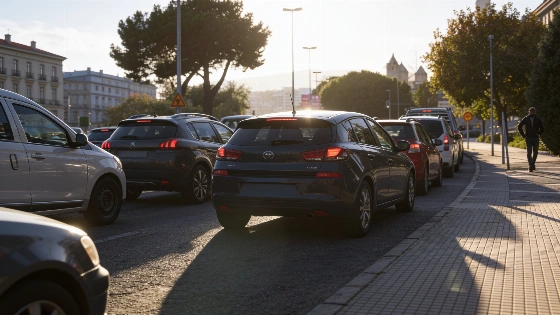
For many in Baleares, driving is less about freedom and more about patience. A recent study by coches.net and Appinio found that 40 percent of local drivers name traffic jams as their main source of stress behind the wheel—the highest rate in Spain.
Unlike other regions, every respondent in Baleares said they depend on a private car for daily travel. The islands' layout and limited public transport leave few alternatives, so most people have little choice but to drive, even as congestion gets worse.
In Palma, the Vía de Cintura ring road handles around 185,000 vehicles daily, highlighting the scale of traffic pressure on the island's main arteries.
Traffic eats up time. Seven out of ten surveyed spend between thirty minutes and an hour each day just getting to work or school. Half travel between 10 and 29 kilometers per trip, which can feel much longer when the roads are packed.
Most drivers prefer the comfort and speed of their own cars, but gridlock is now a daily fact of life in the archipelago. Baleares leads other high-traffic areas like Canarias (34 percent) and Madrid (32 percent) in reported stress, showing just how much the islands stand out.
Money is another worry. Half of Baleares drivers spend between 100 and 200 euros a month on commuting, counting fuel and parking. The car is essential, but it comes with a growing price—both financially and emotionally.
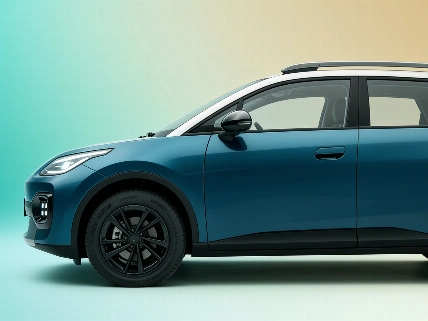
Despite the growing popularity of electric vehicles—now accounting for about a quarter of new car sales in Baleares and with registrations up 57% in 2026 compared to the previous year—overall congestion remains unresolved. Meanwhile, public transport usage in Palma dipped by 3% year-on-year in July 2026, reflecting persistent reliance on private cars.
Switching to electric cars has not solved the problem. As seen in recent reports from Pontevedra, even regions with high EV adoption face their own traffic headaches.
The numbers paint a clear picture: in Baleares, driving is a necessity shaped by geography and limited options, not just personal choice. Until better alternatives arrive, residents will keep paying—in money and in stress—for the ability to get around. For now, the daily jam shows no sign of clearing.