Central Madrid’s summer brings sleepless nights for residents. Street gatherings and construction bring noise, while parking fines and tourist crowds make daily life difficult. Locals struggle to find relief as city life intensifies.
August in central Madrid has become a test of endurance for residents who stay in the city while others leave for holidays. Instead of the expected calm, locals contend with noise from late-night gatherings and street works, compounded by a surge in tourist activity. These pressures make restful sleep and daily routines increasingly difficult for those living in the city’s central.
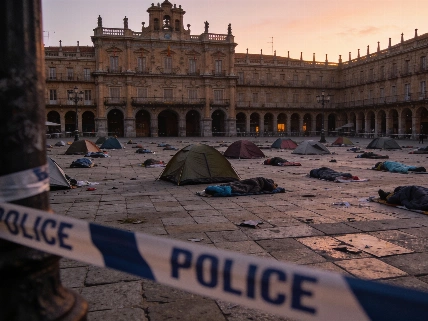
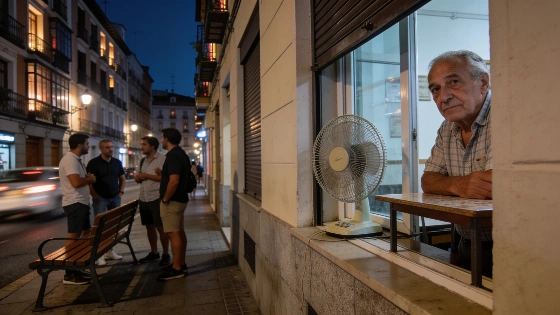
Many residents hoped summer would bring a break from the usual crowds and traffic. It has not. Night after night, public benches in areas like Plaza de España become gathering spots for groups finishing their parties, often disturbing people trying to rest before work. The noise forces many to keep their windows closed despite the heat, trading comfort for a chance to sleep.
Daytime offers little relief. Construction crews continue working on major streets such as Gran Vía, while machinery and workers’ conversations fill the air. Tourists streaming past popular shops and ice cream stands add to the congestion and noise. Residents say even simple tasks, such as unloading luggage or groceries, can bring hefty fines if a car stops briefly in a restricted zone. Authorities strictly enforce parking rules, sometimes leaving residents to carry heavy items long distances to avoid penalties.
Locals have had limited success in addressing these problems. Attempts to remove benches that have become makeshift outdoor bars have failed, while complaints about late-night alcohol sales or street drinking often go unanswered. Meanwhile, the city’s focus on mobility and tourism leaves long-term residents feeling overlooked as their daily challenges mount.
Evenings bring another layer of disruption. As dog owners walk their pets, barking echoes through the streets and adds to the already high noise levels. For those working from home, construction noise and street activity make concentration difficult, especially with the heat from air conditioning units. Many restaurants and shops close for the summer, leaving fewer places to dine out and forcing residents to adapt their routines.
Madrid’s central neighborhoods, once considered desirable for their residential character, now test the patience of people who invested in homes there years ago. The influx of short-term rentals and steady flow of visitors have changed the area’s atmosphere, making it harder for locals to enjoy the city’s traditional summer calm. The situation points to growing tension between residents’ needs and the demands of a city increasingly shaped by tourism and strict urban regulations.
Madrid’s experience is not unique among major European cities, where the challenge is to balance tourism and urban development with residents’ quality of life. In Spain, local authorities have introduced measures to manage noise and regulate short-term rentals, but enforcement and results vary by district. The city’s approach to mobility, including strict parking controls and expanded pedestrian zones, aims to improve urban life but can create new difficulties for people living in central areas. As the summer heat continues, many residents look for ways to cope, whether by escaping to the countryside or adapting to the city’s changing rhythms.